




Mèo Pagoda, also known as Đỉnh Miêu Thiền Tự, has a history spanning over 600 years. The pagoda was constructed during the Trần Dynasty by Princess Chu Huyền and the Mường Chếnh Clan, and shortly became renowned as one of the three largest pagodas in Thanh Hoa at the time.
When Lê Lợi raised the flag of uprising, it is said that he and his troops in their seeking refuge passed by Chu Pagoda. Lê Lợi entered the pagoda, lit incense, and prayed to the Buddha for victory in his struggle against the invaders. After his successful defeat of the Ming forces, Lê Lợi issued an imperial decree to rename Chu Pagoda to Mèo Pagoda.
This site is recognized as a Provincial-level Historical, Cultural, and Scenic Monument, serving as a cultural and spiritual tourism destination along Thanh Hoa Province's tourist route number 5.
Mèo Pagoda is constructed in the Tam Quan style and roofed with pointed tiles. Over the years, time and war gradually made the pagoda fall into significant disrepair. However, Mèo Pagoda has preserved a very valuable artifact: a bell from the Lê Trung Hưng period (which is now housed at the Thanh Hoa Provincial Museum).

The Sacred Realm of Mèo Pagoda
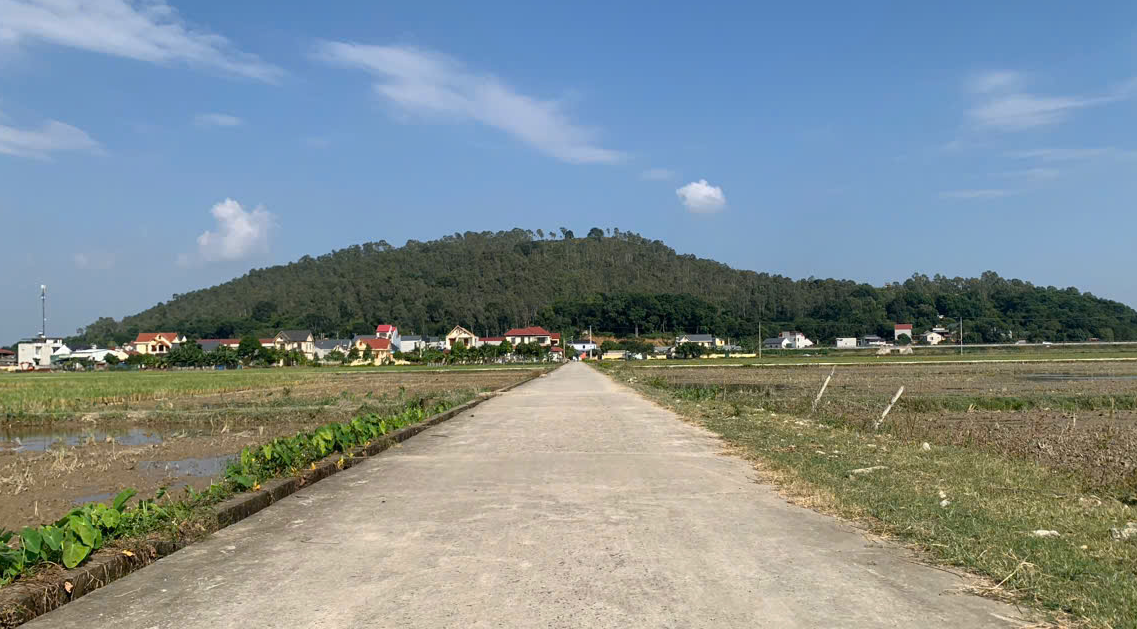
Currently, Mèo Pagoda has been meticulously restored and reconstructed on its original site. The pagoda is situated on a high hill, with an ideal feng shui location. To the left lies the Pù Bằng mountain range, while the Chí Linh mountains rise to the right, and in front flows the Âm River. In recent years, the pagoda has been gradually revitalized, with local ethnic communities actively participating in its restoration and increasingly larger numbers attending its festivals. The Mèo Pagoda Festival is held on the 6th and 7th days of the first lunar month.
Today, the pagoda is not only a spiritual center for the local people but also an attractive cultural tourist destination, where visitors can come to admire the majestic landscape, explore cultural heritage, and immerse themselves in the sacred spiritual atmosphere of Thanh Hoa's land.



















or sign in with
|
CHÍNH PHỦ _______ Số: 13/2023/NĐ-CP |
CỘNG HÒA XÃ HỘI CHỦ NGHĨA VIỆT NAM Độc lập - Tự do - Hạnh phúc ________________________ Hà Nội, ngày 17 tháng 4 năm 2023 |
NGHỊ ĐỊNH
Bảo vệ dữ liệu cá nhân
____________
Căn cứ Luật Tổ chức Chính phủ ngày 19 tháng 6 năm 2015; Luật sửa đổi, bổ sung một số điều của Luật Tổ chức Chính phủ và Luật Tổ chức chính quyền địa phương ngày 22 tháng 11 năm 2019;
Căn cứ Bộ luật Dân sự ngày 24 tháng 11 năm 2015;
Căn cứ Luật An ninh quốc gia ngày 03 tháng 12 năm 2004;
Căn cứ Luật An ninh mạng ngày 12 tháng 6 năm 2018;
Theo đề nghị của Bộ trưởng Bộ Công an;
Chính phủ ban hành Nghị định bảo vệ dữ liệu cá nhân.
Chương I
NHỮNG QUY ĐỊNH CHUNG
Điều 1. Phạm vi điều chỉnh và đối tượng áp dụng
1. Nghị định này quy định về bảo vệ dữ liệu cá nhân và trách nhiệm bảo vệ dữ liệu cá nhân của cơ quan, tổ chức, cá nhân có liên quan.
2. Nghị định này áp dụng đối với:
a) Cơ quan, tổ chức, cá nhân Việt Nam;
b) Cơ quan, tổ chức, cá nhân nước ngoài tại Việt Nam;
c) Cơ quan, tổ chức, cá nhân Việt Nam hoạt động tại nước ngoài;
d) Cơ quan, tổ chức, cá nhân nước ngoài trực tiếp tham gia hoặc có liên quan đến hoạt động xử lý dữ liệu cá nhân tại Việt Nam.
Trong Nghị định này, các từ ngữ dưới đây được hiểu như sau:
1. Dữ liệu cá nhân là thông tin dưới dạng ký hiệu, chữ viết, chữ số, hình ảnh, âm thanh hoặc dạng tương tự trên môi trường điện tử gắn liền với một con người cụ thể hoặc giúp xác định một con người cụ thể. Dữ liệu cá nhân bao gồm dữ liệu cá nhân cơ bản và dữ liệu cá nhân nhạy cảm.
2. Thông tin giúp xác định một con người cụ thể là thông tin hình thành từ hoạt động của cá nhân mà khi kết hợp với các dữ liệu, thông tin lưu trữ khác có thể xác định một con người cụ thể.
3. Dữ liệu cá nhân cơ bản bao gồm:
a) Họ, chữ đệm và tên khai sinh, tên gọi khác (nếu có);
b) Ngày, tháng, năm sinh; ngày, tháng, năm chết hoặc mất tích;
c) Giới tính;
d) Nơi sinh, nơi đăng ký khai sinh, nơi thường trú, nơi tạm trú, nơi ở hiện tại, quê quán, địa chỉ liên hệ;
đ) Quốc tịch;
e) Hình ảnh của cá nhân;
g) Số điện thoại, số chứng minh nhân dân, số định danh cá nhân, số hộ chiếu, số giấy phép lái xe, số biển số xe, số mã số thuế cá nhân, số bảo hiểm xã hội, số thẻ bảo hiểm y tế;
h) Tình trạng hôn nhân;
i) Thông tin về mối quan hệ gia đình (cha mẹ, con cái);
k) Thông tin về tài khoản số của cá nhân; dữ liệu cá nhân phản ánh hoạt động, lịch sử hoạt động trên không gian mạng;
l) Các thông tin khác gắn liền với một con người cụ thể hoặc giúp xác định một con người cụ thể không thuộc quy định tại khoản 4 Điều này.
4. Dữ liệu cá nhân nhạy cảm là dữ liệu cá nhân gắn liền với quyền riêng tư của cá nhân mà khi bị xâm phạm sẽ gây ảnh hưởng trực tiếp tới quyền và lợi ích hợp pháp của cá nhân gồm:
a) Quan điểm chính trị, quan điểm tôn giáo;
b) Tình trạng sức khỏe và đời tư được ghi trong hồ sơ bệnh án, không bao gồm thông tin về nhóm máu;
c) Thông tin liên quan đến nguồn gốc chủng tộc, nguồn gốc dân tộc;
d) Thông tin về đặc điểm di truyền được thừa hưởng hoặc có được của cá nhân;
đ) Thông tin về thuộc tính vật lý, đặc điểm sinh học riêng của cá nhân;
e) Thông tin về đời sống tình dục, xu hướng tình dục của cá nhân;
g) Dữ liệu về tội phạm, hành vi phạm tội được thu thập, lưu trữ bởi các cơ quan thực thi pháp luật;
h) Thông tin khách hàng của tổ chức tín dụng, chi nhánh ngân hàng nước ngoài, tổ chức cung ứng dịch vụ trung gian thanh toán, các tổ chức được phép khác, gồm: thông tin định danh khách hàng theo quy định của pháp luật, thông tin về tài khoản, thông tin về tiền gửi, thông tin về tài sản gửi, thông tin về giao dịch, thông tin về tổ chức, cá nhân là bên bảo đảm tại tổ chức tín dụng, chi nhánh ngân hàng, tổ chức cung ứng dịch vụ trung gian thanh toán;
i) Dữ liệu về vị trí của cá nhân được xác định qua dịch vụ định vị;
k) Dữ liệu cá nhân khác được pháp luật quy định là đặc thù và cần có biện pháp bảo mật cần thiết.
5. Bảo vệ dữ liệu cá nhân là hoạt động phòng ngừa, phát hiện, ngăn chặn, xử lý hành vi vi phạm liên quan đến dữ liệu cá nhân theo quy định của pháp luật.
6. Chủ thể dữ liệu là cá nhân được dữ liệu cá nhân phản ánh.
7 Xử lý dữ liệu cá nhân là một hoặc nhiều hoạt động tác động tới dữ liệu cá nhân, như: thu thập, ghi, phân tích, xác nhận, lưu trữ, chỉnh sửa, công khai, kết hợp, truy cập, truy xuất, thu hồi, mã hóa, giải mã, sao chép, chia sẻ, truyền đưa, cung cấp, chuyển giao, xóa, hủy dữ liệu cá nhân hoặc các hành động khác có liên quan.
8. Sự đồng ý của chủ thể dữ liệu là việc thể hiện rõ ràng, tự nguyện, khẳng định việc cho phép xử lý dữ liệu cá nhân của chủ thể dữ liệu.
9. Bên Kiểm soát dữ liệu cá nhân là tổ chức, cá nhân quyết định mục đích và phương tiện xử lý dữ liệu cá nhân.
10. Bên Xử lý dữ liệu cá nhân là tổ chức, cá nhân thực hiện việc xử lý dữ liệu thay mặt cho Bên Kiểm soát dữ liệu, thông qua một hợp đồng hoặc thỏa thuận với Bên Kiểm soát dữ liệu.
11. Bên Kiểm soát và xử lý dữ liệu cá nhân là tổ chức, cá nhân đồng thời quyết định mục đích, phương tiện và trực tiếp xử lý dữ liệu cá nhân.
12. Bên thứ ba là tổ chức, cá nhân ngoài Chủ thể dữ liệu, Bên Kiểm soát dữ liệu cá nhân, Bên Xử lý dữ liệu cá nhân, Bên Kiểm soát và xử lý dữ liệu cá nhân được phép xử lý dữ liệu cá nhân.
13. Xử lý dữ liệu cá nhân tự động là hình thức xử lý dữ liệu cá nhân được thực hiện bằng phương tiện điện tử nhằm đánh giá, phân tích, dự đoán hoạt động của một con người cụ thể, như: thói quen, sở thích, mức độ tin cậy, hành vi, địa điểm, xu hướng, năng lực và các trường hợp khác.
14. Chuyển dữ liệu cá nhân ra nước ngoài là hoạt động sử dụng không gian mạng, thiết bị, phương tiện điện tử hoặc các hình thức khác chuyển dữ liệu cá nhân của công dân Việt Nam tới một địa điểm nằm ngoài lãnh thổ của nước Cộng hòa xã hội chủ nghĩa Việt Nam hoặc sử dụng một địa điểm nằm ngoài lãnh thổ của nước Cộng hòa xã hội chủ nghĩa Việt Nam để xử lý dữ liệu cá nhân của công dân Việt Nam, bao gồm:
a) Tổ chức, doanh nghiệp, cá nhân chuyển dữ liệu cá nhân của công dân Việt Nam cho tổ chức, doanh nghiệp, bộ phận quản lý ở nước ngoài để xử lý phù hợp với mục đích đã được chủ thể dữ liệu đồng ý;
b) Xử lý dữ liệu cá nhân của công dân Việt Nam bằng các hệ thống tự động nằm ngoài lãnh thổ của nước Cộng hòa xã hội chủ nghĩa Việt Nam của Bên Kiểm soát dữ liệu cá nhân, Bên Kiểm soát và xử lý dữ liệu cá nhân, Bên Xử lý dữ liệu cá nhân phù hợp với mục đích đã được chủ thể dữ liệu đồng ý.
Điều 3. Nguyên tắc bảo vệ dữ liệu cá nhân
1. Dữ liệu cá nhân được xử lý theo quy định của pháp luật.
2. Chủ thể dữ liệu được biết về hoạt động liên quan tới xử lý dữ liệu cá nhân của mình, trừ trường hợp luật có quy định khác.
3. Dữ liệu cá nhân chỉ được xử lý đúng với mục đích đã được Bên Kiểm soát dữ liệu cá nhân, Bên Xử lý dữ liệu cá nhân, Bên Kiểm soát và xử lý dữ liệu cá nhân, Bên thứ ba đăng ký, tuyên bố về xử lý dữ liệu cá nhân.
4. Dữ liệu cá nhân thu thập phải phù hợp và giới hạn trong phạm vi, mục đích cần xử lý. Dữ liệu cá nhân không được mua, bán dưới mọi hình thức, trừ trường hợp luật có quy định khác.
5. Dữ liệu cá nhân được cập nhật, bổ sung phù hợp với mục đích xử lý.
6. Dữ liệu cá nhân được áp dụng các biện pháp bảo vệ, bảo mật trong quá trình xử lý, bao gồm cả việc bảo vệ trước các hành vi vi phạm quy định về bảo vệ dữ liệu cá nhân và phòng, chống sự mất mát, phá hủy hoặc thiệt hại do sự cố, sử dụng các biện pháp kỹ thuật.
7. Dữ liệu cá nhân chỉ được lưu trữ trong khoảng thời gian phù hợp với mục đích xử lý dữ liệu, trừ trường hợp pháp luật có quy định khác.
8. Bên Kiểm soát dữ liệu, Bên Kiểm soát và xử lý dữ liệu cá nhân phải chịu trách nhiệm tuân thủ các nguyên tắc xử lý dữ liệu được quy định từ khoản 1 tới khoản 7 Điều này và chứng minh sự tuân thủ của mình với các nguyên tắc xử lý dữ liệu đó.
Điều 4. Xử lý vi phạm quy định bảo vệ dữ liệu cá nhân
Cơ quan, tổ chức, cá nhân vi phạm quy định bảo vệ dữ liệu cá nhân tùy theo mức độ có thể bị xử lý kỷ luật, xử phạt vi phạm hành chính, xử lý hình sự theo quy định.
Điều 5. Quản lý nhà nước về bảo vệ dữ liệu cá nhân
Chính phủ thống nhất quản lý nhà nước về bảo vệ dữ liệu cá nhân.
Nội dung quản lý nhà nước về bảo vệ dữ liệu cá nhân gồm:
1. Trình cơ quan nhà nước có thẩm quyền ban hành hoặc ban hành theo thẩm quyền văn bản quy phạm pháp luật và chỉ đạo, tổ chức thực hiện văn bản quy phạm pháp luật về bảo vệ dữ liệu cá nhân.
2. Xây dựng và tổ chức thực hiện chiến lược, chính sách, đề án, dự án, chương trình, kế hoạch về bảo vệ dữ liệu cá nhân.
3. Hướng dẫn cơ quan, tổ chức, cá nhân về biện pháp, quy trình, tiêu chuẩn bảo vệ dữ liệu cá nhân theo quy định của pháp luật.
4. Tuyên truyền, giáo dục pháp luật về bảo vệ dữ liệu cá nhân; truyền thông, phổ biến kiến thức, kỹ năng bảo vệ dữ liệu cá nhân.
5. Xây dựng, đào tạo, bồi dưỡng cán bộ, công chức, viên chức và người được giao làm công tác bảo vệ dữ liệu cá nhân.
6. Thanh tra, kiểm tra việc thực hiện quy định của pháp luật về bảo vệ dữ liệu cá nhân; giải quyết khiếu nại, tố cáo và xử lý vi phạm pháp luật về bảo vệ dữ liệu cá nhân theo quy định của pháp luật.
7. Thống kê, thông tin, báo cáo về tình hình bảo vệ dữ liệu cá nhân và việc thực hiện pháp luật về bảo vệ dữ liệu cá nhân cho cơ quan nhà nước có thẩm quyền.
8. Hợp tác quốc tế về bảo vệ dữ liệu cá nhân.
Điều 6. Áp dụng Nghị định bảo vệ dữ liệu cá nhân, các luật liên quan và Điều ước quốc tế
Việc bảo vệ dữ liệu cá nhân được thực hiện theo quy định các điều ước quốc tế mà nước Cộng hòa xã hội chủ nghĩa Việt Nam là thành viên, các quy định khác của Luật có liên quan và Nghị định này.
Điều 7. Hợp tác quốc tế về bảo vệ dữ liệu cá nhân
1. Xây dựng cơ chế hợp tác quốc tế để tạo điều kiện cho việc thực thi có hiệu quả pháp luật về bảo vệ dữ liệu cá nhân.
2. Tham gia tương trợ tư pháp về bảo vệ dữ liệu cá nhân của các quốc gia khác, bao gồm thông báo, đề nghị khiếu nại, trợ giúp điều tra và trao đổi thông tin, với các biện pháp bảo vệ thích hợp để bảo vệ dữ liệu cá nhân.
3. Tổ chức các hội nghị, hội thảo, nghiên cứu khoa học và thúc đẩy các hoạt động hợp tác quốc tế trong việc thực thi pháp luật để bảo vệ dữ liệu cá nhân.
4. Tổ chức các cuộc gặp song phương, đa phương, trao đổi kinh nghiệm xây dựng pháp luật và thực tiễn bảo vệ dữ liệu cá nhân.
5. Chuyển giao công nghệ phục vụ bảo vệ dữ liệu cá nhân.
Điều 8. Hành vi bị nghiêm cấm
1. Xử lý dữ liệu cá nhân trái với quy định của pháp luật về bảo vệ dữ liệu cá nhân.
2. Xử lý dữ liệu cá nhân để tạo ra thông tin, dữ liệu nhằm chống lại Nhà nước Cộng hòa xã hội chủ nghĩa Việt Nam.
3. Xử lý dữ liệu cá nhân để tạo ra thông tin, dữ liệu gây ảnh hưởng tới an ninh quốc gia, trật tự an toàn xã hội, quyền và lợi ích hợp pháp của tổ chức, cá nhân khác.
4. Cản trở hoạt động bảo vệ dữ liệu cá nhân của cơ quan có thẩm quyền.
5. Lợi dụng hoạt động bảo vệ dữ liệu cá nhân để vi phạm pháp luật.
Chương II
HOẠT ĐỘNG BẢO VỆ DỮ LIỆU CÁ NHÂN
Mục 1
QUYỀN VÀ NGHĨA VỤ CỦA CHỦ THỂ DỮ LIỆU
Điều 9. Quyền của chủ thể dữ liệu
1. Quyền được biết
Chủ thể dữ liệu được biết về hoạt động xử lý dữ liệu cá nhân của mình, trừ trường hợp luật có quy định khác.
2. Quyền đồng ý
Chủ thể dữ liệu được đồng ý hoặc không đồng ý cho phép xử lý dữ liệu cá nhân của mình, trừ trường hợp quy định tại Điều 17 Nghị định này.
3. Quyền truy cập
Chủ thể dữ liệu được truy cập để xem, chỉnh sửa hoặc yêu cầu chỉnh sửa dữ liệu cá nhân của mình, trừ trường hợp luật có quy định khác.
4. Quyền rút lại sự đồng ý
Chủ thể dữ liệu được quyền rút lại sự đồng ý của mình, trừ trường hợp luật có quy định khác.
5. Quyền xóa dữ liệu
Chủ thể dữ liệu được xóa hoặc yêu cầu xóa dữ liệu cá nhân của mình, trừ trường hợp luật có quy định khác.
6. Quyền hạn chế xử lý dữ liệu
a) Chủ thể dữ liệu được yêu cầu hạn chế xử lý dữ liệu cá nhân của mình, trừ trường hợp luật có quy định khác;
b) Việc hạn chế xử lý dữ liệu được thực hiện trong 72 giờ sau khi có yêu cầu của chủ thể dữ liệu, với toàn bộ dữ liệu cá nhân mà chủ thể dữ liệu yêu cầu hạn chế, trừ trường hợp luật có quy định khác.
7. Quyền cung cấp dữ liệu
Chủ thể dữ liệu được yêu cầu Bên Kiểm soát dữ liệu cá nhân, Bên Kiểm soát và xử lý dữ liệu cá nhân cung cấp cho bản thân dữ liệu cá nhân của mình, trừ trường hợp luật có quy định khác.
8. Quyền phản đối xử lý dữ liệu
a) Chủ thể dữ liệu được phản đối Bên Kiểm soát dữ liệu cá nhân, Bên Kiểm soát và xử lý dữ liệu cá nhân xử lý dữ liệu cá nhân của mình nhằm ngăn chặn hoặc hạn chế tiết lộ dữ liệu cá nhân hoặc sử dụng cho mục đích quảng cáo, tiếp thị, trừ trường hợp luật có quy định khác;
b) Bên Kiểm soát dữ liệu cá nhân, Bên Kiểm soát và xử lý dữ liệu cá nhân thực hiện yêu cầu của chủ thể dữ liệu trong 72 giờ sau khi nhận được yêu cầu, trừ trường hợp luật có quy định khác.
9. Quyền khiếu nại, tố cáo, khởi kiện
Chủ thể dữ liệu có quyền khiếu nại, tố cáo hoặc khởi kiện theo quy định của pháp luật.
10. Quyền yêu cầu bồi thường thiệt hại
Chủ thể dữ liệu có quyền yêu cầu bồi thường thiệt hại theo quy định của pháp luật khi xảy ra vi phạm quy định về bảo vệ dữ liệu cá nhân của mình, trừ trường hợp các bên có thỏa thuận khác hoặc luật có quy định khác.
11. Quyền tự bảo vệ
Chủ thể dữ liệu có quyền tự bảo vệ theo quy định của Bộ luật Dân sự, luật khác có liên quan và Nghị định này, hoặc yêu cầu cơ quan, tổ chức có thẩm quyền thực hiện các phương thức bảo vệ quyền dân sự theo quy định tại Điều 11 Bộ luật Dân sự.
Điều 10. Nghĩa vụ của chủ thể dữ liệu
1. Tự bảo vệ dữ liệu cá nhân của mình; yêu cầu các tổ chức, cá nhân khác có liên quan bảo vệ dữ liệu cá nhân của mình.
2. Tôn trọng, bảo vệ dữ liệu cá nhân của người khác.
3. Cung cấp đầy đủ, chính xác dữ liệu cá nhân khi đồng ý cho phép xử lý dữ liệu cá nhân.
4. Tham gia tuyên truyền, phổ biến kỹ năng bảo vệ dữ liệu cá nhân.
5. Thực hiện quy định của pháp luật về bảo vệ dữ liệu cá nhân và tham gia phòng, chống các hành vi vi phạm quy định về bảo vệ dữ liệu cá nhân.
Mục 2
BẢO VỆ DỮ LIỆU CÁ NHÂN TRONG QUÁ TRÌNH XỬ LÝ DỮ LIỆU CÁ NHÂN
Điều 11. Sự đồng ý của chủ thể dữ liệu
1. Sự đồng ý của chủ thể dữ liệu được áp dụng đối với tất cả các hoạt động trong quy trình xử lý dữ liệu cá nhân, trừ trường hợp luật có quy định khác.
2. Sự đồng ý của chủ thể dữ liệu chỉ có hiệu lực khi chủ thể dữ liệu tự nguyện và biết rõ các nội dung sau:
a) Loại dữ liệu cá nhân được xử lý;
b) Mục đích xử lý dữ liệu cá nhân;
c) Tổ chức, cá nhân được xử lý dữ liệu cá nhân;
d) Các quyền, nghĩa vụ của chủ thể dữ liệu.
3. Sự đồng ý của chủ thể dữ liệu phải được thể hiện rõ ràng, cụ thể bằng văn bản, giọng nói, đánh dấu vào ô đồng ý, cú pháp đồng ý qua tin nhắn, chọn các thiết lập kỹ thuật đồng ý hoặc qua một hành động khác thể hiện được điều này.
4. Sự đồng ý phải được tiến hành cho cùng một mục đích. Khi có nhiều mục đích, Bên Kiểm soát dữ liệu cá nhân, Bên Kiểm soát và xử lý dữ liệu cá nhân liệt kê các mục đích để chủ thể dữ liệu đồng ý với một hoặc nhiều mục đích nêu ra.
5. Sự đồng ý của chủ thể dữ liệu phải được thể hiện ở một định dạng có thể được in, sao chép bằng văn bản, bao gồm cả dưới dạng điện tử hoặc định dạng kiểm chứng được.
6. Sự im lặng hoặc không phản hồi của chủ thể dữ liệu không được coi là sự đồng ý.
7. Chủ thể dữ liệu có thể đồng ý một phần hoặc với điều kiện kèm theo.
8. Đối với xử lý dữ liệu cá nhân nhạy cảm, chủ thể dữ liệu phải được thông báo rằng dữ liệu cần xử lý là dữ liệu cá nhân nhạy cảm.
9. Sự đồng ý của chủ thể dữ liệu có hiệu lực cho tới khi chủ thể dữ liệu có quyết định khác hoặc khi cơ quan nhà nước có thẩm quyền yêu cầu bằng văn bản.
10. Trong trường hợp có tranh chấp, trách nhiệm chứng minh sự đồng ý của chủ thể dữ liệu thuộc về Bên Kiểm soát dữ liệu cá nhân, Bên Kiểm soát và xử lý dữ liệu cá nhân.
11. Thông qua việc ủy quyền theo quy định của Bộ luật Dân sự, tổ chức, cá nhân có thể thay mặt chủ thể dữ liệu thực hiện các thủ tục liên quan tới xử lý dữ liệu cá nhân của chủ thể dữ liệu với Bên Kiểm soát dữ liệu cá nhân, Bên Kiểm soát và xử lý dữ liệu cá nhân trong trường hợp chủ thể dữ liệu đã biết rõ và đồng ý theo quy định tại khoản 3 Điều này, trừ trường hợp luật có quy định khác.
Điều 12. Rút lại sự đồng ý
1. Việc rút lại sự đồng ý không ảnh hưởng đến tính hợp pháp của việc xử lý dữ liệu đã được đồng ý trước khi rút lại sự đồng ý.
2. Việc rút lại sự đồng ý phải được thể hiện ở một định dạng có thể được in, sao chép bằng văn bản, bao gồm cả dưới dạng điện tử hoặc định dạng kiểm chứng được.
3. Khi nhận yêu cầu rút lại sự đồng ý của chủ thể dữ liệu, Bên Kiểm soát dữ liệu cá nhân, Bên Kiểm soát và xử lý dữ liệu cá nhân thông báo cho chủ thể dữ liệu về hậu quả, thiệt hại có thể xảy ra khi rút lại sự đồng ý.
4. Sau khi thực hiện quy định tại khoản 2 Điều này, Bên Kiểm soát dữ liệu, Bên Xử lý dữ liệu, Bên Kiểm soát và xử lý dữ liệu, Bên thứ ba phải ngừng và yêu cầu các tổ chức, cá nhân có liên quan ngừng xử lý dữ liệu của chủ thể dữ liệu đã rút lại sự đồng ý.
Điều 13. Thông báo xử lý dữ liệu cá nhân
1. Việc thông báo được thực hiện một lần trước khi tiến hành đối với hoạt động xử lý dữ liệu cá nhân.
2. Nội dung thông báo cho chủ thể dữ liệu về xử lý dữ liệu cá nhân:
a) Mục đích xử lý;
b) Loại dữ liệu cá nhân được sử dụng có liên quan tới mục đích xử lý quy định tại điểm a khoản 2 Điều này;
c) Cách thức xử lý;
d) Thông tin về các tổ chức, cá nhân khác có liên quan tới mục đích xử lý quy định tại điểm a khoản 2 Điều này;
đ) Hậu quả, thiệt hại không mong muốn có khả năng xảy ra;
e) Thời gian bắt đầu, thời gian kết thúc xử lý dữ liệu.
3. Việc thông báo cho chủ thể dữ liệu phải được thể hiện ở một định dạng có thể được in, sao chép bằng văn bản, bao gồm cả dưới dạng điện tử hoặc định dạng kiểm chứng được.
4. Bên Kiểm soát dữ liệu cá nhân, Bên Kiểm soát và xử lý dữ liệu cá nhân không cần thực hiện quy định tại khoản 1 Điều này trong các trường hợp sau:
a) Chủ thể dữ liệu đã biết rõ và đồng ý toàn bộ với nội dung quy định tại khoản 1 và khoản 2 Điều này trước khi đồng ý cho Bên Kiểm soát dữ liệu cá nhân, Bên Kiểm soát và xử lý dữ liệu cá nhân tiến hành thu thập dữ liệu cá nhân, phù hợp với các quy định tại Điều 9 Nghị định này;
b) Dữ liệu cá nhân được xử lý bởi cơ quan nhà nước có thẩm quyền với mục đích phục vụ hoạt động của cơ quan nhà nước theo quy định của pháp luật.
Điều 14. Cung cấp dữ liệu cá nhân
1. Chủ thể dữ liệu được yêu cầu Bên Kiểm soát dữ liệu cá nhân, Bên Kiểm soát và xử lý dữ liệu cá nhân cung cấp cho bản thân dữ liệu cá nhân của mình.
2. Bên Kiểm soát dữ liệu cá nhân, Bên Kiểm soát và xử lý dữ liệu cá nhân:
a) Được cung cấp dữ liệu cá nhân của chủ thể dữ liệu cho tổ chức, cá nhân khác khi có sự đồng ý của chủ thể dữ liệu, trừ trường hợp pháp luật có quy định khác;
b) Thay mặt chủ thể dữ liệu cung cấp dữ liệu cá nhân của chủ thể dữ liệu cho tổ chức hoặc cá nhân khác khi chủ thể dữ liệu đồng ý cho phép đại diện và ủy quyền, trừ trường hợp pháp luật có quy định khác.
3. Việc cung cấp dữ liệu cá nhân của chủ thể dữ liệu được Bên Kiểm soát dữ liệu cá nhân, Bên Kiểm soát và xử lý dữ liệu cá nhân thực hiện trong 72 giờ sau khi có yêu cầu của chủ thể dữ liệu, trừ trường hợp luật có quy định khác.
4. Bên Kiểm soát dữ liệu cá nhân, Bên Kiểm soát và xử lý dữ liệu cá nhân không cung cấp dữ liệu cá nhân trong trường hợp:
a) Gây tổn hại tới quốc phòng, an ninh quốc gia, trật tự an toàn xã hội;
b) Việc cung cấp dữ liệu cá nhân của chủ thể dữ liệu có thể ảnh hưởng tới sự an toàn, sức khỏe thể chất hoặc tinh thân của người khác;
c) Chủ thể dữ liệu không đồng ý cung cấp, cho phép đại diện hoặc ủy quyền nhận dữ liệu cá nhân.
5. Hình thức yêu cầu cung cấp dữ liệu cá nhân:
a) Chủ thể dữ liệu trực tiếp hoặc ủy quyền cho người khác đến trụ sở Bên Kiểm soát dữ liệu cá nhân, Bên Kiểm soát và xử lý dữ liệu cá nhân yêu cầu cung cấp dữ liệu cá nhân.
Người tiếp nhận yêu cầu có trách nhiệm hướng dẫn tổ chức, cá nhân yêu cầu điền các nội dung vào Phiếu yêu cầu cung cấp dữ liệu cá nhân.
Trường hợp tổ chức, cá nhân yêu cầu cung cấp thông tin không biết chữ hoặc bị khuyết tật không thể viết yêu cầu thì người tiếp nhận yêu cầu cung cấp thông tin có trách nhiệm giúp điền các nội dung vào Phiếu yêu cầu cung cấp dữ liệu cá nhân;
b) Gửi Phiếu yêu cầu cung cấp dữ liệu cá nhân theo Mẫu số 01, 02 tại Phụ lục của Nghị định này qua mạng điện tử, dịch vụ bưu chính, fax đến Bên Kiểm soát dữ liệu cá nhân, Bên Kiểm soát và xử lý dữ liệu cá nhân.
6. Phiếu yêu cầu cung cấp dữ liệu cá nhân phải được thể hiện bằng tiếng Việt gồm các nội dung chính sau đây:
a) Họ, tên; nơi cư trú, địa chỉ; số chứng minh nhân dân, thẻ căn cước công dân hoặc số hộ chiếu của người yêu cầu; số fax, điện thoại, địa chỉ thư điện tử (nếu có);
b) Dữ liệu cá nhân được yêu cầu cung cấp, trong đó chỉ rõ tên văn bản, hồ sơ, tài liệu;
c) Hình thức cung cấp dữ liệu cá nhân;
d) Lý do, mục đích yêu cầu cung cấp dữ liệu cá nhân.
7. Trường hợp yêu cầu cung cấp dữ liệu cá nhân quy định tại khoản 2 Điều này thì phải kèm theo văn bản đồng ý của cá nhân, tổ chức liên quan.
8. Tiếp nhận yêu cầu cung cấp dữ liệu cá nhân
a) Bên Kiểm soát dữ liệu cá nhân, Bên Kiểm soát và xử lý dữ liệu cá nhân có trách nhiệm tiếp nhận yêu cầu cung cấp dữ liệu cá nhân và theo dõi quá trình, danh sách cung cấp dữ liệu cá nhân theo yêu cầu;
b) Trường hợp dữ liệu cá nhân được yêu cầu không thuộc thẩm quyền thì Bên Kiểm soát dữ liệu cá nhân, Bên Kiểm soát và xử lý dữ liệu cá nhân nhận được yêu cầu phải thông báo và hướng dẫn tổ chức, cá nhân yêu cầu đến cơ quan có thẩm quyền hoặc thông báo rõ ràng việc không thể cung cấp dữ liệu cá nhân.
9. Giải quyết yêu cầu cung cấp dữ liệu cá nhân
Khi nhận được yêu cầu cung cấp dữ liệu cá nhân hợp lệ, Bên Kiểm soát dữ liệu cá nhân, Bên Kiểm soát và xử lý dữ liệu cá nhân có trách nhiệm cung cấp dữ liệu cá nhân thông báo về thời hạn, địa điểm, hình thức cung cấp dữ liệu cá nhân; chi phí thực tế để in, sao, chụp, gửi thông tin qua dịch vụ bưu chính, fax (nếu có) và phương thức, thời hạn thanh toán; thực hiện việc cung cấp dữ liệu cá nhân theo trình tự, thủ tục quy định tại Điều này.
Điều 15. Chỉnh sửa dữ liệu cá nhân
1. Chủ thể dữ liệu:
a) Được truy cập để xem, chỉnh sửa dữ liệu cá nhân của mình sau khi đã được Bên Kiểm soát dữ liệu cá nhân, Bên Kiểm soát và xử lý dữ liệu cá nhân thu thập theo sự đồng ý, trừ trường hợp luật có quy định khác;
b) Trường hợp không thể chỉnh sửa trực tiếp vì lý do kỹ thuật hoặc vì lý do khác, chủ thể dữ liệu yêu cầu Bên Kiểm soát dữ liệu cá nhân, Bên Kiểm soát và xử lý dữ liệu cá nhân chỉnh sửa dữ liệu cá nhân của mình.
2. Bên Kiểm soát dữ liệu cá nhân, Bên Kiểm soát và xử lý dữ liệu cá nhân chỉnh sửa dữ liệu cá nhân của chủ thể dữ liệu sau khi được chủ thể dữ liệu cá nhân đồng ý ngay khi có thể hoặc theo quy định của pháp luật chuyên ngành. Trường hợp không thể thực hiện thì thông báo tới chủ thể dữ liệu sau 72 giờ kể khi nhận được yêu cầu chỉnh sửa dữ liệu cá nhân của chủ thể dữ liệu.
3. Bên Xử lý dữ liệu cá nhân, Bên thứ ba được chỉnh sửa dữ liệu cá nhân của chủ thể dữ liệu sau khi được Bên Kiểm soát dữ liệu cá nhân, Bên Kiểm soát và xử lý dữ liệu cá nhân đồng ý bằng văn bản và biết rõ rằng đã có sự đồng ý của chủ thể dữ liệu.
Điều 16. Lưu trữ, xóa, hủy dữ liệu cá nhân
1. Chủ thể dữ liệu được yêu cầu Bên Kiểm soát dữ liệu cá nhân, Bên Kiểm soát và xử lý dữ liệu cá nhân xóa dữ liệu cá nhân của mình trong các trường hợp sau:
a) Nhận thấy không còn cần thiết cho mục đích thu thập đã đồng ý và chấp nhận các thiệt hại có thể xảy ra khi yêu cầu xóa dữ liệu;
b) Rút lại sự đồng ý;
c) Phản đối việc xử lý dữ liệu và Bên Kiểm soát dữ liệu cá nhân, Bên Kiểm soát và xử lý dữ liệu cá nhân không có lý do chính đáng để tiếp tục xử lý;
d) Dữ liệu cá nhân được xử lý không đúng với mục đích đã đồng ý hoặc việc xử lý dữ liệu cá nhân là vi phạm quy định của pháp luật;
đ) Dữ liệu cá nhân phải xóa theo quy định của pháp luật.
2. Việc xóa dữ liệu sẽ không áp dụng khi có đề nghị của chủ thể dữ liệu trong các trường hợp:
a) Pháp luật quy định không cho phép xóa dữ liệu;
b) Dữ liệu cá nhân được xử lý bởi cơ quan nhà nước có thẩm quyền với mục đích phục vụ hoạt động của cơ quan nhà nước theo quy định của pháp luật;
c) Dữ liệu cá nhân đã được công khai theo quy định của pháp luật;
d) Dữ liệu cá nhân được xử lý nhằm phục vụ yêu cầu pháp lý, nghiên cứu khoa học, thống kê theo quy định của pháp luật;
đ) Trong trường hợp tình trạng khẩn cấp về quốc phòng, an ninh quốc gia, trật tự an toàn xã hội, thảm họa lớn, dịch bệnh nguy hiểm; khi có nguy cơ đe dọa an ninh, quốc phòng nhưng chưa đến mức ban bố tình trạng khẩn cấp; phòng, chống bạo loạn, khủng bố, phòng, chống tội phạm và vi phạm pháp luật;
e) Ứng phó với tình huống khẩn cấp đe dọa đến tính mạng, sức khỏe hoặc sự an toàn của chủ thể dữ liệu hoặc cá nhân khác.
3. Trường hợp doanh nghiệp chia, tách, sáp nhập, hợp nhất, giải thể thì dữ liệu cá nhân được chuyển giao theo quy định của pháp luật.
4. Trường hợp chia, tách, sáp nhập cơ quan, tổ chức, đơn vị hành chính và tổ chức lại, chuyển đổi hình thức sở hữu doanh nghiệp nhà nước thì dữ liệu cá nhân được chuyển giao theo quy định của pháp luật.
5. Việc xóa dữ liệu được thực hiện trong 72 giờ sau khi có yêu cầu của chủ thể dữ liệu với toàn bộ dữ liệu cá nhân mà Bên Kiểm soát dữ liệu cá nhân, Bên Kiểm soát và xử lý dữ liệu cá nhân thu thập được, trừ trường hợp pháp luật có quy định khác.
6. Bên Kiểm soát dữ liệu cá nhân, Bên Kiểm soát và xử lý dữ liệu cá nhân, Bên Xử lý dữ liệu cá nhân, Bên thứ ba lưu trữ dữ liệu cá nhân theo hình thức phù hợp với hoạt động của mình và có biện pháp bảo vệ dữ liệu cá nhân theo quy định của pháp luật.
7. Bên Kiểm soát dữ liệu cá nhân, Bên Kiểm soát và xử lý dữ liệu cá nhân, Bên Xử lý dữ liệu cá nhân, Bên thứ ba xóa không thể khôi phục trong trường hợp:
a) Xử lý dữ liệu không đúng mục đích hoặc đã hoàn thành mục đích xử lý dữ liệu cá nhân được chủ thể dữ liệu đồng ý;
b) Việc lưu trữ dữ liệu cá nhân không còn cần thiết với hoạt động của Bên Kiểm soát dữ liệu cá nhân, Bên Kiểm soát và xử lý dữ liệu cá nhân, Bên Xử lý dữ liệu cá nhân, Bên thứ ba;
c) Bên Kiểm soát dữ liệu cá nhân, Bên Kiểm soát và xử lý dữ liệu cá nhân, Bên Xử lý dữ liệu cá nhân, Bên thứ ba bị giải thể hoặc không còn hoạt động hoặc tuyên bố phá sản hoặc bị chấm dứt hoạt động kinh doanh theo quy định của pháp luật.
Điều 17. Xử lý dữ liệu cá nhân trong trường hợp không cần sự đồng ý của chủ thể dữ liệu
1. Trong trường hợp khẩn cấp, cần xử lý ngay dữ liệu cá nhân có liên quan để bảo vệ tính mạng, sức khỏe của chủ thể dữ liệu hoặc người khác. Bên Kiểm soát dữ liệu cá nhân, Bên Xử lý dữ liệu cá nhân, Bên Kiểm soát và xử lý dữ liệu cá nhân, Bên thứ ba có trách nhiệm chứng minh trường hợp này.
2. Việc công khai dữ liệu cá nhân theo quy định của luật.
3. Việc xử lý dữ liệu của cơ quan nhà nước có thẩm quyền trong trường hợp tình trạng khẩn cấp về quốc phòng, an ninh quốc gia, trật tự an toàn xã hội, thảm họa lớn, dịch bệnh nguy hiểm; khi có nguy cơ đe dọa an ninh, quốc phòng nhưng chưa đến mức ban bố tình trạng khẩn cấp; phòng, chống bạo loạn, khủng bố, phòng, chống tội phạm và vi phạm pháp luật theo quy định của luật.
4. Để thực hiện nghĩa vụ theo hợp đồng của chủ thể dữ liệu với cơ quan, tổ chức, cá nhân có liên quan theo quy định của luật.
5. Phục vụ hoạt động của cơ quan nhà nước đã được quy định theo luật chuyên ngành.
Điều 18. Xử lý dữ liệu cá nhân thu được từ hoạt động ghi âm, ghi hình tại nơi công cộng
Cơ quan, tổ chức có thẩm quyền được ghi âm, ghi hình và xử lý dữ liệu cá nhân thu được từ hoạt động ghi âm, ghi hình tại nơi công cộng với mục đích bảo vệ an ninh quốc gia, trật tự an toàn xã hội, quyền và lợi ích hợp pháp của tổ chức, cá nhân theo quy định của pháp luật mà không cần có sự đồng ý của chủ thể. Khi thực hiện việc ghi âm, ghi hình, cơ quan, tổ chức có thẩm quyền có trách nhiệm thông báo để chủ thể hiểu được mình đang bị ghi âm, ghi hình, trừ trường hợp pháp luật có quy định khác.
Điều 19. Xử lý dữ liệu cá nhân của người bị tuyên bố mất tích, đã chết
1. Việc xử lý dữ liệu cá nhân liên quan đến dữ liệu cá nhân của người bị tuyên bố mất tích, người đã chết phải được sự đồng ý của vợ, chồng hoặc con thanh niên của người đó, trường hợp không có những người này thì phải được sự đồng ý của cha, mẹ của người bị tuyên bố mất tích, người đã chết, trừ trường hợp quy định tại Điều 17 và Điều 18 Nghị định này.
2. Trường hợp không có tất cả những người được nêu tại khoản 1 Điều này thì được coi là không có sự đồng ý.
Điều 20. Xử lý dữ liệu cá nhân của trẻ em
1. Xử lý dữ liệu cá nhân của trẻ em luôn được thực hiện theo nguyên tắc bảo vệ các quyền và vì lợi ích tốt nhất của trẻ em.
2. Việc xử lý dữ liệu cá nhân của trẻ em phải có sự đồng ý của trẻ em trong trường hợp trẻ em từ đủ 7 tuổi trở lên và có sự đồng ý của cha, mẹ hoặc người giám hộ theo quy định, trừ trường hợp quy định tại Điều 17 Nghị định này. Bên Kiểm soát dữ liệu cá nhân, Bên Xử lý dữ liệu cá nhân, Bên Kiểm soát và xử lý dữ liệu cá nhân, Bên thứ ba phải xác minh tuổi của trẻ em trước khi xử lý dữ liệu cá nhân của trẻ em.
3. Ngừng xử lý dữ liệu cá nhân của trẻ em, xóa không thể khôi phục hoặc hủy dữ liệu cá nhân của trẻ em trong trường hợp:
a) Xử lý dữ liệu không đúng mục đích hoặc đã hoàn thành mục đích xử lý dữ liệu cá nhân được chủ thể dữ liệu đồng ý, trừ trường hợp pháp luật có quy định khác;
b) Cha, mẹ hoặc người giám hộ của trẻ em rút lại sự đồng ý cho phép xử lý dữ liệu cá nhân của trẻ em, trừ trường hợp pháp luật có quy định khác;
c) Theo yêu cầu của cơ quan chức năng có thẩm quyền khi có đủ căn cứ chứng minh việc xử lý dữ liệu cá nhân gây ảnh hưởng tới quyền và lợi ích hợp pháp của trẻ em, trừ trường hợp pháp luật có quy định khác.
Điều 21. Bảo vệ dữ liệu cá nhân trong kinh doanh dịch vụ tiếp thị, giới thiệu sản phẩm quảng cáo
1. Tổ chức, cá nhân kinh doanh dịch vụ tiếp thị, giới thiệu sản phẩm quảng cáo chỉ được sử dụng dữ liệu cá nhân của khách hàng được thu thập qua hoạt động kinh doanh của mình để kinh doanh dịch vụ tiếp thị, giới thiệu sản phẩm quảng cáo khi có sự đồng ý của chủ thể dữ liệu.
2. Việc xử lý dữ liệu cá nhân của khách hàng để kinh doanh dịch vụ tiếp thị, giới thiệu sản phẩm quảng cáo phải được sự đồng ý của khách hàng, trên cơ sở khách hàng biết rõ nội dung, phương thức, hình thức, tần suất giới thiệu sản phẩm.
3. Tổ chức, cá nhân kinh doanh dịch vụ tiếp thị, giới thiệu sản phẩm quảng cáo có trách nhiệm chứng minh việc sử dụng dữ liệu cá nhân của khách hàng được giới thiệu sản phẩm đúng với quy định tại khoản 1 và khoản 2 Điều này.
Điều 22. Thu thập, chuyển giao, mua, bán trái phép dữ liệu cá nhân
1. Tổ chức, cá nhân có liên quan tới xử lý dữ liệu cá nhân phải áp dụng các biện pháp bảo vệ dữ liệu cá nhân để ngăn chặn tình trạng thu thập dữ liệu cá nhân trái phép từ hệ thống, trang thiết bị dịch vụ của mình.
2. Việc thiết lập các hệ thống phần mềm, biện pháp kỹ thuật hoặc tổ chức các hoạt động thu thập, chuyển giao, mua, bán dữ liệu cá nhân không có sự đồng ý của chủ thể dữ liệu là vi phạm pháp luật.
Điều 23. Thông báo vi phạm quy định về bảo vệ dữ liệu cá nhân
1. Trường hợp phát hiện xảy ra vi phạm quy định bảo vệ dữ liệu cá nhân, Bên Kiểm soát dữ liệu cá nhân, Bên Kiểm soát và xử lý dữ liệu cá nhân thông báo cho Bộ Công an (Cục An ninh mạng và phòng, chống tội phạm sử dụng công nghệ cao) chậm nhất 72 giờ sau khi xảy ra hành vi vi phạm theo Mẫu số 03 tại Phụ lục của Nghị định này. Trường hợp thông báo sau 72 giờ thì phải kèm theo lý do thông báo chậm, muộn.
2. Bên Xử lý dữ liệu cá nhân phải thông báo cho Bên Kiểm soát dữ liệu cá nhân một cách nhanh nhất có thể sau khi nhận thấy có sự vi phạm quy định về bảo vệ dữ liệu cá nhân.
3. Nội dung thông báo vi phạm quy định về bảo vệ dữ liệu cá nhân:
a) Mô tả tính chất của việc vi phạm quy định bảo vệ dữ liệu cá nhân, bao gồm: thời gian, địa điểm, hành vi, tổ chức, cá nhân, các loại dữ liệu cá nhân và số lượng dữ liệu liên quan;
b) Chi tiết liên lạc của nhân viên được giao nhiệm vụ bảo vệ dữ liệu hoặc tổ chức, cá nhân chịu trách nhiệm bảo vệ dữ liệu cá nhân;
c) Mô tả các hậu quả, thiệt hại có thể xảy ra của việc vi phạm quy định bảo vệ dữ liệu cá nhân;
d) Mô tả các biện pháp được đưa ra để giải quyết, giảm thiểu tác hại của hành vi vi phạm quy định bảo vệ dữ liệu cá nhân.
4. Trường hợp không thể thông báo đầy đủ các nội dung quy định tại khoản 3 Điều này, việc thông báo có thể được thực hiện theo từng đợt, từng giai đoạn.
5. Bên Kiểm soát dữ liệu cá nhân, Bên Kiểm soát và xử lý dữ liệu cá nhân phải lập Biên bản xác nhận về việc xảy ra hành vi vi phạm quy định bảo vệ dữ liệu cá nhân, phối hợp với Bộ Công an (Cục An ninh mạng và phòng, chống tội phạm sử dụng công nghệ cao) xử lý hành vi vi phạm.
6. Tổ chức, cá nhân thông báo cho Bộ Công an (Cục An ninh mạng và phòng, chống tội phạm sử dụng công nghệ cao) khi phát hiện các trường hợp sau:
a) Phát hiện hành vi vi phạm pháp luật đối với dữ liệu cá nhân;
b) Dữ liệu cá nhân bị xử lý sai mục đích, không đúng thỏa thuận ban đầu giữa chủ thể dữ liệu và Bên Kiểm soát dữ liệu cá nhân, Bên Kiểm soát và xử lý dữ liệu cá nhân hoặc vi phạm quy định của pháp luật;
c) Không bảo đảm quyền của chủ thể dữ liệu hoặc không được thực hiện đúng;
d) Trường hợp khác theo quy định của pháp luật.
Mục 3
ĐÁNH GIÁ TÁC ĐỘNG VÀ CHUYỂN DỮ LIỆU CÁ NHÂN RA NƯỚC NGOÀI
Điều 24. Đánh giá tác động xử lý dữ liệu cá nhân
1. Bên Kiểm soát dữ liệu cá nhân, Bên Kiểm soát và xử lý dữ liệu cá nhân lập và lưu giữ Hồ sơ đánh giá tác động xử lý dữ liệu cá nhân của mình kể từ thời điểm bắt đầu xử lý dữ liệu cá nhân.
Hồ sơ đánh giá tác động xử lý dữ liệu cá nhân của Bên Kiểm soát dữ liệu cá nhân, Bên Kiểm soát và xử lý dữ liệu cá nhân, bao gồm:
a) Thông tin và chi tiết liên lạc của Bên Kiểm soát dữ liệu cá nhân, Bên Kiểm soát và xử lý dữ liệu cá nhân;
b) Họ tên, chi tiết liên lạc của tổ chức được phân công thực hiện nhiệm vụ bảo vệ dữ liệu cá nhân và nhân viên bảo vệ dữ liệu cá nhân của Bên Kiểm soát dữ liệu cá nhân, Bên Kiểm soát và xử lý dữ liệu cá nhân;
c) Mục đích xử lý dữ liệu cá nhân;
d) Các loại dữ liệu cá nhân được xử lý;
đ) Tổ chức, cá nhân nhận dữ liệu cá nhân, bao gồm tổ chức, cá nhân ngoài lãnh thổ Việt Nam;
e) Trường hợp chuyển dữ liệu cá nhân ra nước ngoài;
g) Thời gian xử lý dữ liệu cá nhân; thời gian dự kiến để xoá, hủy dữ liệu cá nhân (nếu có);
h) Mô tả về các biện pháp bảo vệ dữ liệu cá nhân được áp dụng;
i) Đánh giá mức độ hưởng của việc xử lý dữ liệu cá nhân; hậu quả, thiệt hại không mong muốn có khả năng xảy ra, các biện pháp giảm thiểu hoặc loại bỏ nguy cơ, tác hại đó.
2. Bên Xử lý dữ liệu cá nhân tiến hành lập và lưu giữ Hồ sơ đánh giá tác động xử lý dữ liệu cá nhân trong trường hợp thực hiện hợp đồng với Bên Kiểm soát dữ liệu cá nhân. Hồ sơ đánh giá tác động xử lý dữ liệu cá nhân của Bên Xử lý dữ liệu cá nhân, bao gồm:
a) Thông tin và chi tiết liên lạc của Bên Xử lý dữ liệu cá nhân;
b) Họ tên, chi tiết liên lạc của tổ chức được phân công thực hiện xử lý dữ liệu cá nhân và nhân viên thực hiện xử lý dữ liệu cá nhân của Bên Xử lý dữ liệu cá nhân;
c) Mô tả các hoạt động xử lý và các loại dữ liệu cá nhân được xử lý theo hợp đồng với Bên Kiểm soát dữ liệu cá nhân;
d) Thời gian xử lý dữ liệu cá nhân; thời gian dự kiến để xoá, hủy dữ liệu cá nhân (nếu có);
đ) Trường hợp chuyển dữ liệu cá nhân ra nước ngoài;
e) Mô tả chung về các biện pháp bảo vệ dữ liệu cá nhân được áp dụng;
g) Hậu quả, thiệt hại không mong muốn có khả năng xảy ra, các biện pháp giảm thiểu hoặc loại bỏ nguy cơ, tác hại đó.
3. Hồ sơ đánh giá tác động xử lý dữ liệu cá nhân quy định tại khoản 1 và khoản 2 Điều này được xác lập bằng văn bản có giá trị pháp lý của Bên Kiểm soát dữ liệu cá nhân, Bên Kiểm soát và xử lý dữ liệu cá nhân hoặc Bên Xử lý dữ liệu cá nhân.
4. Hồ sơ đánh giá tác động xử lý dữ liệu cá nhân phải luôn có sẵn để phục vụ hoạt động kiểm tra, đánh giá của Bộ Công an và gửi Bộ Công an (Cục An ninh mạng và phòng, chống tội phạm sử dụng công nghệ cao) 01 bản chính theo Mẫu số 04 tại Phụ lục của Nghị định này trong thời gian 60 ngày kể từ ngày tiến hành xử lý dữ liệu cá nhân.
5. Bộ Công an (Cục An ninh mạng và phòng, chống tội phạm sử dụng công nghệ cao) đánh giá, yêu cầu Bên Kiểm soát dữ liệu cá nhân, Bên Kiểm soát và xử lý dữ liệu cá nhân, Bên Xử lý dữ liệu cá nhân hoàn thiện Hồ sơ đánh giá tác động xử lý dữ liệu cá nhân trong trường hợp hồ sơ chưa đầy đủ và đúng quy định.
6. Bên Kiểm soát dữ liệu cá nhân, Bên Kiểm soát và xử lý dữ liệu cá nhân, Bên Xử lý dữ liệu cá nhân cập nhật, bổ sung Hồ sơ đánh giá tác động xử lý dữ liệu cá nhân khi có sự thay đổi về nội dung hồ sơ đã gửi cho Bộ Công an (Cục An ninh mạng và phòng, chống tội phạm sử dụng công nghệ cao) theo Mẫu số 05 tại Phụ lục của Nghị định này.
Điều 25. Chuyển dữ liệu cá nhân ra nước ngoài
1. Dữ liệu cá nhân của công dân Việt Nam được chuyển ra nước ngoài trong trường hợp Bên chuyển dữ liệu ra nước ngoài lập Hồ sơ đánh giá tác động chuyển dữ liệu cá nhân ra nước ngoài và thực hiện các thủ tục theo quy định tại khoản 3, 4 và 5 Điều này. Bên chuyển dữ liệu ra nước ngoài bao gồm Bên Kiểm soát dữ liệu cá nhân, Bên Kiểm soát và xử lý dữ liệu cá nhân, Bên Xử lý dữ liệu cá nhân, Bên thứ ba.
2. Hồ sơ đánh giá tác động chuyển dữ liệu cá nhân ra nước ngoài, gồm:
a) Thông tin và chi tiết liên lạc của Bên chuyển dữ liệu và Bên tiếp nhận dữ liệu cá nhân của công dân Việt Nam;
b) Họ tên, chi tiết liên lạc của tổ chức, cá nhân phụ trách của Bên chuyển dữ liệu có liên quan tới việc chuyển và tiếp nhận dữ liệu cá nhân của công dân Việt Nam;
c) Mô tả và luận giải mục tiêu của các hoạt động xử lý dữ liệu cá nhân của Công dân Việt Nam sau khi được chuyển ra nước ngoài;
d) Mô tả và làm rõ loại dữ liệu cá nhân chuyển ra nước ngoài;
đ) Mô tả và nêu rõ sự tuân thủ quy định bảo vệ dữ liệu cá nhân tại Nghị định này, chi tiết các biện pháp bảo vệ dữ liệu cá nhân được áp dụng;
e) Đánh giá mức độ ảnh hưởng của việc xử lý dữ liệu cá nhân; hậu quả, thiệt hại không mong muốn có khả năng xảy ra, các biện pháp giảm thiểu hoặc loại bỏ nguy cơ, tác hại đó;
g) Sự đồng ý của chủ thể dữ liệu theo quy định tại Điều 11 Nghị định này trên cơ sở biết rõ cơ chế phản hồi, khiếu nại khi có sự cố hoặc yêu cầu phát sinh;
h) Có văn bản thể hiện sự ràng buộc, trách nhiệm giữa các tổ chức, cá nhân chuyển và nhận dữ liệu cá nhân của Công dân Việt Nam về việc xử lý dữ liệu cá nhân.
3. Hồ sơ đánh giá tác động chuyển dữ liệu cá nhân ra nước ngoài phải luôn có sẵn để phục vụ hoạt động kiểm tra, đánh giá của Bộ Công an.
Bên chuyển dữ liệu ra nước ngoài gửi 01 bản chính hồ sơ tới Bộ Công an (Cục An ninh mạng và phòng, chống tội phạm sử dụng công nghệ cao) theo Mẫu số 06 tại Phụ lục của Nghị định này trong thời gian 60 ngày kể từ ngày tiến hành xử lý dữ liệu cá nhân.
4. Bên chuyển dữ liệu thông báo gửi Bộ Công an (Cục An ninh mạng và phòng, chống tội phạm sử dụng công nghệ cao) thông tin về việc chuyển dữ liệu và chi tiết liên lạc của tổ chức, cá nhân phụ trách bằng văn bản sau khi việc chuyển dữ liệu diễn ra thành công.
5. Bộ Công an (Cục An ninh mạng và phòng, chống tội phạm sử dụng công nghệ cao) đánh giá, yêu cầu Bên chuyển dữ liệu ra nước ngoài hoàn thiện Hồ sơ đánh giá tác động chuyển dữ liệu cá nhân ra nước ngoài trong trường hợp hồ sơ chưa đầy đủ và đúng quy định.
6. Bên chuyển dữ liệu ra nước ngoài cập nhật, bổ sung Hồ sơ đánh giá tác động chuyển dữ liệu cá nhân ra nước ngoài khi có sự thay đổi về nội dung hồ sơ đã gửi cho Bộ Công an (Cục An ninh mạng và phòng, chống tội phạm sử dụng công nghệ cao) theo Mẫu số 05 tại Phụ lục của Nghị định này. Thời gian hoàn thiện hồ sơ dành cho Bên chuyển dữ liệu ra nước ngoài là 10 ngày kể từ ngày yêu cầu.
7. Căn cứ tình hình cụ thể, Bộ Công an quyết định việc kiểm tra chuyển dữ liệu cá nhân ra nước ngoài 01 lần/năm, trừ trường hợp phát hiện hành vi vi phạm quy định của pháp luật về bảo vệ dữ liệu cá nhân tại Nghị định này hoặc để xảy ra sự cố lộ, mất dữ liệu cá nhân của công dân Việt Nam.
8. Bộ Công an quyết định yêu cầu Bên chuyển dữ liệu ra nước ngoài ngừng chuyển dữ liệu cá nhân ra nước ngoài trong trường hợp:
a) Khi phát hiện dữ liệu cá nhân được chuyển được sử dụng vào hoạt động vi phạm lợi ích, an ninh quốc gia của nước Cộng hòa xã hội chủ nghĩa Việt Nam;
b) Bên chuyển dữ liệu ra nước ngoài không chấp hành quy định tại khoản 5, khoản 6 Điều này;
c) Để xảy ra sự cố lộ, mất dữ liệu cá nhân của công dân Việt Nam.
Mục 4
BIỆN PHÁP, ĐIỀU KIỆN BẢO ĐẢM BẢO VỆ DỮ LIỆU CÁ NHÂN
Điều 26. Biện pháp bảo vệ dữ liệu cá nhân
1. Biện pháp bảo vệ dữ liệu cá nhân được áp dụng ngay từ khi bắt đầu và trong suốt quá trình xử lý dữ liệu cá nhân.
2. Các biện pháp bảo vệ dữ liệu cá nhân, bao gồm:
a) Biện pháp quản lý do tổ chức, cá nhân có liên quan tới xử lý dữ liệu cá nhân thực hiện;
b) Biện pháp kỹ thuật do tổ chức, cá nhân có liên quan tới xử lý dữ liệu cá nhân thực hiện;
c) Biện pháp do cơ quan quản lý nhà nước có thẩm quyền thực hiện theo quy định của Nghị định này và pháp luật có liên quan;
d) Biện pháp điều tra, tố tụng do cơ quan nhà nước có thẩm quyền thực hiện;
đ) Các biện pháp khác theo quy định của pháp luật.
Điều 27. Bảo vệ dữ liệu cá nhân cơ bản
1. Áp dụng các biện pháp được quy định tại khoản 2 Điều 26 Nghị định này.
2. Xây dựng, ban hành các quy định về bảo vệ dữ liệu cá nhân, nêu rõ những việc cần thực hiện theo quy định của Nghị định này.
3. Khuyến khích áp dụng các tiêu chuẩn bảo vệ dữ liệu cá nhân phù hợp với lĩnh vực, ngành nghề, hoạt động có liên quan tới xử lý dữ liệu cá nhân.
4. Kiểm tra an ninh mạng đối với hệ thống và phương tiện, thiết bị phục vụ xử lý dữ liệu cá nhân trước khi xử lý, xoá không thể khôi phục được hoặc hủy các thiết bị chứa dữ liệu cá nhân.
Điều 28. Bảo vệ dữ liệu cá nhân nhạy cảm
1. Áp dụng các biện pháp được quy định tại khoản 2 Điều 26 và Điều 27 Nghị định này.
2. Chỉ định bộ phận có chức năng bảo vệ dữ liệu cá nhân, chỉ định nhân sự phụ trách bảo vệ dữ liệu cá nhân và trao đổi thông tin về bộ phận và cá nhân phụ trách bảo vệ dữ liệu cá nhân với Cơ quan chuyên trách bảo vệ dữ liệu cá nhân. Trường hợp Bên Kiểm soát dữ liệu cá nhân, Bên Kiểm soát và xử lý dữ liệu cá nhân, Bên Xử lý dữ liệu, Bên thứ ba là cá nhân thì trao đổi thông tin của cá nhân thực hiện.
3. Thông báo cho chủ thể dữ liệu biết việc dữ liệu cá nhân nhạy cảm của chủ thể dữ liệu được xử lý, trừ trường hợp quy định tại khoản 4 Điều 13, Điều 17 và Điều 18 Nghị định này.
Điều 29. Cơ quan chuyên trách bảo vệ dữ liệu cá nhân và cổng thông tin quốc gia về bảo vệ dữ liệu cá nhân
1. Cơ quan chuyên trách bảo vệ dữ liệu cá nhân là Cục An ninh mạng và phòng, chống tội phạm sử dụng công nghệ cao - Bộ Công an, có trách nhiệm giúp Bộ Công an thực hiện quản lý nhà nước về bảo vệ dữ liệu cá nhân.
2. Cổng thông tin quốc gia về bảo vệ dữ liệu cá nhân:
a) Cung cấp thông tin về chủ trương, đường lối, chính sách của Đảng, pháp luật của Nhà nước về bảo vệ dữ liệu cá nhân;
b) Tuyên truyền, phổ biến chính sách, pháp luật về bảo vệ dữ liệu cá nhân;
c) Cập nhật thông tin, tình hình bảo vệ dữ liệu cá nhân;
d) Tiếp nhận thông tin, hồ sơ, dữ liệu về hoạt động bảo vệ dữ liệu cá nhân qua không gian mạng;
đ) Cung cấp thông tin về kết quả đánh giá công tác bảo vệ dữ liệu cá nhân của cơ quan, tổ chức, cá nhân có liên quan;
e) Tiếp nhận thông báo vi phạm quy định về bảo vệ dữ liệu cá nhân;
g) Cảnh báo, phối hợp cảnh báo về nguy cơ, hành vi xâm phạm dữ liệu cá nhân theo quy định của pháp luật;
h) Xử lý vi phạm về bảo vệ dữ liệu cá nhân theo quy định của pháp luật;
i) Thực hiện hoạt động khác theo quy định của pháp luật về bảo vệ dữ liệu cá nhân.
Điều 30. Điều kiện bảo đảm hoạt động bảo vệ dữ liệu cá nhân
1. Lực lượng bảo vệ dữ liệu cá nhân:
a) Lực lượng chuyên trách bảo vệ dữ liệu cá nhân được bố trí tại Cơ quan chuyên trách bảo vệ dữ liệu cá nhân;
b) Bộ phận, nhân sự có chức năng bảo vệ dữ liệu cá nhân được chỉ định trong cơ quan, tổ chức, doanh nghiệp nhằm bảo đảm thực hiện quy định về bảo vệ dữ liệu cá nhân;
c) Tổ chức, cá nhân được huy động tham gia bảo vệ dữ liệu cá nhân;
d) Bộ Công an xây dựng chương trình, kế hoạch cụ thể nhằm phát triển nguồn nhân lực bảo vệ dữ liệu cá nhân.
2. Cơ quan, tổ chức, cá nhân có trách nhiệm tuyên truyền, phổ biến kiến thức, kỹ năng, nâng cao nhận thức bảo vệ dữ liệu cá nhân cho cơ quan, tổ chức, cá nhân.
3. Bảo đảm cơ sở vật chất, điều kiện hoạt động cho Cơ quan chuyên trách bảo vệ dữ liệu cá nhân.
Điều 31. Kinh phí bảo đảm hoạt động bảo vệ dữ liệu cá nhân
1. Nguồn tài chính thực hiện bảo vệ dữ liệu cá nhân bao gồm ngân sách nhà nước; ủng hộ của cơ quan, tổ chức, cá nhân trong và ngoài nước; nguồn thu từ hoạt động cung cấp dịch vụ bảo vệ dữ liệu cá nhân; viện trợ quốc tế và các nguồn thu hợp pháp khác.
2. Kinh phí bảo vệ dữ liệu cá nhân của cơ quan nhà nước do ngân sách nhà nước bảo đảm, được bố trí trong dự toán ngân sách nhà nước hằng năm. Việc quản lý, sử dụng kinh phí từ ngân sách nhà nước được thực hiện theo quy định của pháp luật về ngân sách nhà nước.
3. Kinh phí bảo vệ dữ liệu cá nhân của tổ chức, doanh nghiệp do các tổ chức, doanh nghiệp tự bố trí và thực hiện theo quy định.
Chương III
TRÁCH NHIỆM CỦA CƠ QUAN, TỔ CHỨC, CÁ NHÂN
Điều 32. Trách nhiệm của Bộ Công an
1. Giúp Chính phủ thống nhất thực hiện quản lý nhà nước về bảo vệ dữ liệu cá nhân.
2. Hướng dẫn, triển khai hoạt động bảo vệ dữ liệu cá nhân, bảo vệ quyền của chủ thể dữ liệu trước các hành vi vi phạm quy định của pháp luật về bảo vệ dữ liệu cá nhân, đề xuất ban hành Tiêu chuẩn bảo vệ dữ liệu cá nhân và các khuyến nghị áp dụng.
3. Xây dựng, quản lý, vận hành cổng thông tin quốc gia về bảo vệ dữ liệu cá nhân.
4. Đánh giá kết quả công tác bảo vệ dữ liệu cá nhân của cơ quan, tổ chức, cá nhân có liên quan.
5. Tiếp nhận hồ sơ, biểu mẫu, thông tin về bảo vệ dữ liệu cá nhân theo quy định tại Nghị định này.
6. Thúc đẩy các biện pháp và thực hiện nghiên cứu để đổi mới trong lĩnh vực bảo vệ dữ liệu cá nhân, triển khai hợp tác quốc tế về bảo vệ dữ liệu cá nhân.
7. Thanh tra, kiểm tra, giải quyết khiếu nại, tố cáo, xử lý hành vi vi phạm quy định về bảo vệ dữ liệu cá nhân theo quy định của pháp luật
Điều 33. Trách nhiệm của Bộ Thông tin và Truyền thông
1. Chỉ đạo các cơ quan truyền thông, báo chí, tổ chức và doanh nghiệp thuộc lĩnh vực quản lý thực hiện bảo vệ dữ liệu cá nhân theo quy định tại Nghị định này.
2. Xây dựng, hướng dẫn và triển khai các biện pháp bảo vệ dữ liệu cá nhân, bảo đảm an toàn thông tin mạng đối với dữ liệu cá nhân trong các hoạt động thông tin và truyền thông theo chức năng, nhiệm vụ được giao.
3. Phối hợp với Bộ Công an trong thanh tra, kiểm tra, xử lý vi phạm pháp luật về bảo vệ dữ liệu cá nhân.
Điều 34. Trách nhiệm của Bộ Quốc phòng
Quản lý, thanh tra, kiểm tra, giám sát, xử lý vi phạm và áp dụng các quy định bảo vệ dữ liệu cá nhân đối với các cơ quan, tổ chức, cá nhân thuộc phạm vi quản lý của Bộ Quốc phòng theo quy định pháp luật và chức năng, nhiệm vụ được giao.
Điều 35. Trách nhiệm của Bộ Khoa học và Công nghệ
1. Phối hợp với Bộ Công an trong xây dựng Tiêu chuẩn bảo vệ dữ liệu cá nhân và các khuyến nghị áp dụng Tiêu chuẩn bảo vệ dữ liệu cá nhân.
2. Nghiên cứu, trao đổi Bộ Công an về các biện pháp bảo vệ dữ liệu cá nhân theo kịp sự phát triển của khoa học, công nghệ.
Điều 36. Trách nhiệm của bộ, cơ quan ngang bộ, cơ quan thuộc Chính phủ
1. Thực hiện quản lý nhà nước đối với bảo vệ dữ liệu cá nhân đối với các ngành, lĩnh vực quản lý theo quy định của pháp luật về bảo vệ dữ liệu cá nhân.
2. Xây dựng và triển khai các nội dung, nhiệm vụ bảo vệ dữ liệu cá nhân tại Nghị định này.
3. Bổ sung các quy định bảo vệ dữ liệu cá nhân trong xây dựng, triển khai các nhiệm vụ của các bộ, ngành.
4. Bố trí kinh phí phục vụ hoạt động bảo vệ dữ liệu cá nhân theo phân cấp quản lý ngân sách hiện hành.
5. Ban hành Danh mục dữ liệu mở phù hợp với quy định bảo vệ dữ liệu cá nhân.
Điều 37. Trách nhiệm của Ủy ban nhân dân các tỉnh, thành phố trực thuộc trung ương
1. Thực hiện quản lý nhà nước đối với bảo vệ dữ liệu cá nhân đối với các ngành, lĩnh vực quản lý theo quy định của pháp luật về bảo vệ dữ liệu cá nhân.
2. Triển khai các quy định về bảo vệ dữ liệu cá nhân tại Nghị định này.
3. Bố trí kinh phí phục vụ hoạt động bảo vệ dữ liệu cá nhân theo phân cấp quản lý ngân sách hiện hành.
4. Ban hành Danh mục dữ liệu mở phù hợp với quy định bảo vệ dữ liệu cá nhân.
Điều 38. Trách nhiệm của Bên Kiểm soát dữ liệu cá nhân
1. Thực hiện các biện pháp tổ chức và kỹ thuật cùng các biện pháp an toàn, bảo mật phù hợp để chứng minh các hoạt động xử lý dữ liệu đã được thực hiện theo quy định của pháp luật về bảo vệ dữ liệu cá nhân, rà soát và cập nhật các biện pháp này khi cần thiết.
2. Ghi lại và lưu trữ nhật ký hệ thống quá trình xử lý dữ liệu cá nhân.
3. Thông báo hành vi vi phạm quy định về bảo vệ dữ liệu cá nhân theo quy định tại Điều 23 Nghị định này.
4. Lựa chọn Bên Xử lý dữ liệu cá nhân phù hợp với nhiệm vụ rõ ràng và chỉ làm việc với Bên Xử lý dữ liệu cá nhân có các biện pháp bảo vệ phù hợp.
5. Bảo đảm các quyền của chủ thể dữ liệu theo quy định tại Điều 9 Nghị định này.
6. Bên Kiểm soát dữ liệu cá nhân chịu trách nhiệm trước chủ thể dữ liệu về các thiệt hại do quá trình xử lý dữ liệu cá nhân gây ra.
7. Phối hợp với Bộ Công an, cơ quan nhà nước có thẩm quyền trong bảo vệ dữ liệu cá nhân, cung cấp thông tin phục vụ điều tra, xử lý hành vi vi phạm quy định của pháp luật về bảo vệ dữ liệu cá nhân.
Điều 39. Trách nhiệm của Bên Xử lý dữ liệu cá nhân
1. Chỉ tiếp nhận dữ liệu cá nhân sau khi có hợp đồng hoặc thỏa thuận về xử lý dữ liệu với Bên Kiểm soát dữ liệu cá nhân.
2. Xử lý dữ liệu cá nhân theo đúng hợp đồng hoặc thỏa thuận ký kết với Bên Kiểm soát dữ liệu cá nhân.
3. Thực hiện đầy đủ các biện pháp bảo vệ dữ liệu cá nhân quy định tại Nghị định này và các văn bản pháp luật khác có liên quan.
4. Bên Xử lý dữ liệu cá nhân chịu trách nhiệm trước chủ thể dữ liệu về các thiệt hại do quá trình xử lý dữ liệu cá nhân gây ra.
5. Xóa, trả lại toàn bộ dữ liệu cá nhân cho Bên Kiểm soát dữ liệu cá nhân sau khi kết thúc xử lý dữ liệu.
6. Phối hợp với Bộ Công an, cơ quan nhà nước có thẩm quyền trong bảo vệ dữ liệu cá nhân, cung cấp thông tin phục vụ điều tra, xử lý hành vi vi phạm quy định của pháp luật về bảo vệ dữ liệu cá nhân.
Điều 40. Trách nhiệm của Bên Kiểm soát và xử lý dữ liệu
Thực hiện đầy đủ các quy định về trách nhiệm của Bên Kiểm soát dữ liệu cá nhân và Bên Xử lý dữ liệu cá nhân.
Điều 41. Trách nhiệm của Bên thứ Ba
Thực hiện đây đủ các quy định về trách nhiệm xử lý dữ liệu cá nhân theo quy định tại Nghị định này.
Điều 42. Trách nhiệm của tổ chức, cá nhân có liên quan
1. Có biện pháp bảo vệ dữ liệu cá nhân của mình, chịu trách nhiệm về tính chính xác của dữ liệu cá nhân do mình cung cấp.
2. Thực hiện quy định về bảo vệ dữ liệu cá nhân tại Nghị định này.
3. Thông báo kịp thời cho Bộ Công an về những vi phạm liên quan tới hoạt động bảo vệ dữ liệu cá nhân.
4. Phối hợp với Bộ Công an trong xử lý những vi phạm liên quan tới hoạt động bảo vệ dữ liệu cá nhân.
Chương IV
ĐIỀU KHOẢN THI HÀNH
1. Nghị định này có hiệu lực thi hành từ ngày 01 tháng 7 năm 2023.
2. Các doanh nghiệp siêu nhỏ, doanh nghiệp nhỏ, doanh nghiệp vừa, doanh nghiệp khởi nghiệp được quyền lựa chọn miên trừ quy định về chỉ định cá nhân và bộ phận bảo vệ dữ liệu cá nhân trong thời gian 02 năm đầu kể từ khi thành lập doanh nghiệp.
3. Các doanh nghiệp siêu nhỏ, doanh nghiệp nhỏ, doanh nghiệp vừa, doanh nghiêp khởi nghiệp trực tiếp kinh doanh hoạt động xử lý dữ liệu cá nhân không áp dụng quy định tại khoản 2 Điều này.
1. Bộ trưởng Bộ Công an đôn đốc, kiểm tra, hướng dẫn việc thực hiện Nghị định này.
2. Bộ trưởng, Thủ trưởng cơ quan ngang bộ, Thủ trưởng cơ quan thuộc Chính phủ, Chủ tịch Ủy ban nhân dân các tỉnh, thành phố trực thuộc trung ương chịu trách nhiệm thi hành Nghị định này.
|
Nơi nhận: - Ban Bí thư Trung ương Đảng; - Thủ tướng, các Phó Thủ tướng Chính phủ; - Các bộ, cơ quan ngang bộ, cơ quan thuộc Chính phủ; - HĐND, UBND các tỉnh, thành phố trực thuộc ương; - Văn phòng Trung ương và các Ban của Đảng; - Văn phòng Tổng Bí thư; - Văn phòng Chủ tịch nước; - Hội đồng Dân tộc và các Ủy ban của Quốc hội; - Văn phòng Quốc hội; - Viện kiểm sát nhân dân tối cao; - Tòa án nhân dân tối cao; - Kiểm toán nhà nước; - Ủy ban Giám sát tài chính Quốc gia; - Ngân hàng Chính sách xà hội; - Ngân hàng Phát triển Việt Nam; - Ủy ban trung ương Mặt trận Tổ quốc Việt Nam; - Cơ quan trung ương của các đoàn thể; - VPCP: BTCN, các PCN, Trợ lý TTg, TGĐ cổng TTĐT, các Vụ, Cục, đơn vị trực thuộc, Công báo; - Lưu: VT, KSTT (2b)TM |
TM. CHÍNH PHỦ KT. THỦ TƯỚNG PHÓ THỦ TƯỚNG
Trần Lưu Quang
|
Phụ lục
(kèm theo Nghị định số 13/2023/NĐ-CP ngày 17 tháng 4 năm 2023 của Chính phủ)
_____________
|
Mẫu số 01 |
Phiếu yêu cầu cung cấp dữ liệu cá nhân (dành cho cá nhân) |
|
Mẫu số 02 |
Phiếu yêu cầu cung cấp dữ liệu cá nhân (dành cho tổ chức, doanh nghiệp) |
|
Mẫu số 03 |
Thông báo vi phạm quy định về bảo vệ dữ liệu cá nhân |
|
Mẫu số 04 |
Thông báo gửi hồ sơ đánh giá tác động xử lý dữ liệu cá nhân |
|
Mẫu số 05 |
Thông báo thay đổi nội dung hồ sơ |
|
Mẫu số 06 |
Hồ sơ đánh giá tác động chuyển dữ liệu cá nhân ra nước ngoài |
Mẫu số 01
CỘNG HÒA XÃ HỘI CHỦ NGHĨA VIỆT NAM
Độc lập - Tự do - Hạnh phúc
______________________
…, ngày….tháng…năm….
PHIẾU YÊU CẦU CUNG CẤP DỮ LIỆU CÁ NHÂN
(Dành cho cá nhân)
Kính gửi:…..
1. Họ, tên cá nhân yêu cầu cung cấp dữ liệu cá nhân:......................................................
2. Người đại diện/Người giám hộ1:..................................................................................
3. Số CMTND/Thẻ căn cước công dân/Hộ chiếu..............................................................
cấp ngày....... /.......... /…..tại..........................................................................................
4. Nơi cư trú2:................................................................................................................
5. Số điện thoại3................................. ; Fax................................. ; E-mail:.................
6. Dữ liệu cá nhân yêu cầu cung cấp4:.............................................................................
7. Mục đích yêu cầu cung cấp:........................................................................................
8. Yêu cầu cung cấp dữ liệu cá nhân lần thứ:
a) Lần đầu b) Khác:............... (ghi rõ số lần đã yêu cầu cung cấp thông tin có nội dung nêu trên)
9. Số lượng bản5:......................................
10. Phương thức nhận dữ liệu cá nhân:
□ Nhận tại nơi yêu cầu cung cấp
□ Nhận qua bưu điện (ghi rõ địa chỉ nhận):.......................................................................
□ Fax (ghi rõ số fax):......................................................................................................
□ Nhận qua mạng điện tử (ghi rõ địa chỉ nhận):................................................................
□ Hình thức khác (ghi rõ):...............................................................................................
11. Văn bản kèm theo (trong trường hợp có điều kiện):....
NGƯỜI YÊU CẦU
(Ký, ghi rõ họ tên)
_____________
1Theo quy định của Bộ luật Dân sự về người đại diện, người giám hộ đối với người yêu cầu cung cấp thông tin là người chưa thành niên, người hạn chế năng lực hành vi dân sự, người mất năng lực hành vi dân sự, người có khó khăn trong nhận thức và làm chủ hành vi...
2Ghi nơi cư trú của người đại diện/người giám hộ.
3Ghi số điện thoại, fax, email của người đại diện/giám hộ.
4Ghi rõ tên chủ thể dữ liệu và các thông tin liên quan cần cung cấp.
5In, sao, chụp hoặc file dữ liệu.
Mẫu số 02
CỘNG HÒA XÃ HỘI CHỦ NGHĨA VIỆT NAM
Độc lập - Tự do - Hạnh phúc
______________________
…, ngày….tháng…năm….
PHIẾU YÊU CẦU CUNG CẤP DỮ LIỆU CÁ NHÂN
(Dành cho tổ chức, doanh nghiệp)
Kính gửi:…..
1. Tên tổ chức, doanh nghiệp:........................................................................................
2. Người đại diện của tổ chức, doanh nghiệp1:................................................................
3. Số CMTND/Thẻ căn cước công dân/Hộ chiếu..............................................................
cấp ngày....... /......... /……tại.........................................................................................
4. Địa chỉ trụ sở của tổ chức, doanh nghiệp:....................................................................
5. Số điện thoại2................................. ; Fax.................................. ; E-mail:.................
6. Dữ liệu cá nhân yêu cầu cung cấp:..............................................................................
7. Mục đích yêu cầu cung cấp:........................................................................................
8. Yêu cầu cung cấp dữ liệu cá nhân lần thứ:
a) Lần đầu b) Khác: ….(ghi rõ số lần đã yêu cầu cung cấp thông tin có nội dung nêu trên)
9. Số lượng bản3:...........................................................................................................
10. Phương thức nhận văn bản, hồ sơ, tài liệu:
□ Nhận tại nơi yêu cầu cung cấp thông tin
□ Nhận qua bưu điện (ghi rõ địa chỉ nhận):.......................................................................
□ Fax (ghi rõ số fax):......................................................................................................
□ Nhận qua mạng điện tử (ghi rõ địa chỉ nhận):................................................................
□ Hình thức khác (ghi rõ):...............................................................................................
11. Văn bản kèm theo (trong trường hợp có điều kiện):....
NGƯỜI YÊU CẦU4
(Ký, ghi rõ họ tên)
_____
1Theo quy định của Bộ luật Dân sự về người đại diện của tổ chức, doanh nghiệp.
2 Ghi số điện thoại, fax, email của người đại diện yêu cầu cung cấp thông tin.
3 In, sao, chụp hoặc file dữ liệu.
4 Người đại diện ký, ghi rõ họ tên và đóng dấu của tổ chức, doanh nghiệp đó.
Mẫu số 03
|
TÊN TỔ CHỨC Số: … |
CỘNG HÒA XÃ HỘI CHỦ NGHĨA VIỆT NAM …., ngày ... tháng ... năm ... |
THÔNG BÁO
VI PHẠM QUY ĐỊNH BẢO VỆ DỮ LIỆU CÁ NHÂN
Kính gửi: Bộ Công an
(Cục An ninh mạng và phòng, chống tội phạm sử dụng công nghệ cao, Bộ Công an)
Thực hiện quy định về bảo vệ dữ liệu cá nhân,........................................ 1 gửi Bộ Công an hồ sơ đánh giá tác động xử lý dữ liệu cá nhân, như sau:
1. Thông tin về tổ chức, doanh nghiệp
- Tên tổ chức, doanh nghiệp:..........................................................................................
- Địa chỉ trụ sở chính:......................................................................................................
- Địa chỉ trụ sở giao dịch:................................................................................................
- Quyết định thành lập/Giấy chứng nhận đăng ký doanh nghiệp/Giấy chứng nhận đăng ký kinh doanh/Giấy chứng nhận đầu tư số: ….. do .... cấp ngày ... tháng ... năm ... tại ...
- Điện thoại:................................. Website......................................................................
- Nhân sự chịu trách nhiệm bảo vệ dữ liệu cá nhân:
Họ và tên:......................................................................................................................
Chức danh:....................................................................................................................
Số điện thoại liên lạc (cố định và di động):......................................................................
Email:............................................................................................................................
2. Mô tả hành vi vi phạm quy định bảo vệ dữ liệu cá nhân
- Thời gian:....................................................................................................................
- Địa điểm:.....................................................................................................................
- Hành vi:.......................................................................................................................
- Tổ chức, cá nhân, các loại dữ liệu cá nhân và số lượng dữ liệu liên quan;
- Nhân sự chịu trách nhiệm bảo vệ dữ liệu cá nhân:..........................................................
Họ và tên:.......................................................................................................................
Chức danh:.....................................................................................................................
Số điện thoại liên lạc (cố định và di động):.......................................................................
Email:.............................................................................................................................
- Hậu quả xảy ra:.............................................................................................................
- Biện pháp áp dụng:.......................................................................................................
1. …………
2. …..
(Tên cơ quan, tổ chức, doanh nghiệp) xin cam kết: Chịu trách nhiệm trước pháp luật về tính chính xác và tính hợp pháp thông tin cung cấp và tài liệu kèm theo.
|
Nơi nhận: - Như trên; ....
|
TM. TỔ CHỨC, DOANH NGHIỆP |
_________
1Tên tổ chức, doanh nghiệp
Mẫu số 04
|
TÊN TỔ CHỨC Số: … |
CỘNG HÒA XÃ HỘI CHỦ NGHĨA VIỆT NAM …., ngày ... tháng ... năm ... |
THÔNG BÁO
GỬI HỒ SƠ ĐÁNH GIÁ TÁC ĐỘNG XỬ LÝ DỮ LIỆU CÁ NHÂN
Kính gửi: Bộ Công an
(Cục An ninh mạng và phòng, chống tội phạm sử dụng công nghệ cao, Bộ Công an)
Thực hiện quy định về bảo vệ dữ liệu cá nhân,........................................ 1 gửi Bộ Công an Hồ sơ đánh giá tác động xử lý dữ liệu cá nhân, như sau:
1. Thông tin về tổ chức, doanh nghiệp
- Tên tổ chức, doanh nghiệp:.........................................................................................
- Địa chỉ trụ sở chính:.....................................................................................................
- Địa chỉ trụ sở giao dịch:...............................................................................................
- Quyết định thành lập/Giấy chứng nhận đăng ký doanh nghiệp/Giấy chứng nhận đăng ký kinh doanh/Giấy chứng nhận đầu tư số: …do .... cấp ngày ... tháng ... năm ... tại ...
- Điện thoại:................................. Website.....................................................................
- Nhân sự chịu trách nhiệm bảo vệ dữ liệu cá nhân:.........................................................
Họ và tên:.....................................................................................................................
Chức danh:...................................................................................................................
Số điện thoại liên lạc (cố định và di động):.....................................................................
Email:...........................................................................................................................
2. Hồ sơ đánh giá tác động xử lý dữ liệu cá nhân
1. …….
2. ……
(Tên cơ quan, tổ chức, doanh nghiệp) xin cam kết: Chịu trách nhiệm trước pháp luật về tính chính xác và tính hợp pháp của hồ sơ đánh giá tác động xử lý dữ liệu cá nhân và tài liệu kèm theo.
|
Nơi nhận: - Như trên; ....
|
TM. TỔ CHỨC, DOANH NGHIỆP |
_______
1 Tên tổ chức, doanh nghiệp.
Mẫu số 05
|
TÊN TỔ CHỨC Số: … |
CỘNG HÒA XÃ HỘI CHỦ NGHĨA VIỆT NAM …., ngày ... tháng ... năm ... |
THÔNG BÁO
THAY ĐỔI NỘI DUNG HỒ SƠ……1
Kính gửi: Bộ Công an
(Qua Cục An ninh mạng và phòng, chống tội phạm sử dụng công nghệ cao)
Thực hiện quy định về bảo vệ dữ liệu cá nhân,....................................... 2gửi Bộ Công an Hồ sơ đánh giá tác động xử lý dữ liệu cá nhân, như sau:
1. Thông tin về tổ chức, doanh nghiệp
- Tên tổ chức, doanh nghiệp:..........................................................................................
- Địa chỉ trụ sở chính:.....................................................................................................
- Địa chỉ trụ sở giao dịch: ..............................................................................................
- Quyết định thành lập/Giấy chứng nhận đăng ký doanh nghiệp/Giấy chứng nhận đăng ký kinh doanh/Giấy chứng nhận đầu tư số: …. do .... cấp ngày ... tháng ... năm ... tại ...
- Điện thoại:................................ Website......................................................................
- Nhân sự chịu trách nhiệm bảo vệ dữ liệu cá nhân:.........................................................
Họ và tên:.....................................................................................................................
Chức danh:...................................................................................................................
Số điện thoại liên lạc (cố định và di động):......................................................................
Email:...........................................................................................................................
2. Mô tả tóm tắt thay đổi nội dung hồ sơ
- Nội dung thay đổi:.......................................................................................................
- Lý do thay đổi:............................................................................................................
3. Tài liệu kèm theo
1. ……
2. …..
(Tên cơ quan, tổ chức, doanh nghiệp) xin cam kết: Chịu trách nhiệm trước pháp luật về tính chính xác và tính hợp pháp của nội dung thay đổi và tài liệu kèm theo.
|
Nơi nhận: - Như trên; ....
|
TM. TỔ CHỨC, DOANH NGHIỆP |
________
1Tên hồ sơ: Hồ sơ đánh giá tác động xử lý dữ liệu cá nhân hoặc Hồ sơ đánh giá tác động chuyển dữ liệu cá nhân ra nước ngoài.
2Tên tổ chức, doanh nghiệp.
|
TÊN TỔ CHỨC Số: … |
CỘNG HÒA XÃ HỘI CHỦ NGHĨA VIỆT NAM …., ngày ... tháng ... năm ... |
HỒ SƠ ĐÁNH GIÁ TÁC ĐỘNG CHUYỂN DỮ LIỆU CÁ NHÂN RA NƯỚC NGOÀI
Kính gửi: Bộ Công an
(Cục An ninh mạng và phòng, chống tội phạm sử dụng công nghệ cao, Bộ Công an)
Thực hiện quy định về bảo vệ dữ liệu cá nhân,....................................... 1gửi Bộ Công an Hồ sơ đánh giá tác động chuyển dữ liệu cá nhân ra nước ngoài, như sau:
1. Thông tin về tổ chức, doanh nghiệp
- Tên tổ chức, doanh nghiệp:..........................................................................................
- Địa chỉ trụ sở chính:.....................................................................................................
- Địa chỉ trụ sở giao dịch:...............................................................................................
- Quyết định thành lập/Giấy chứng nhận đăng ký doanh nghiệp/Giấy chứng nhận đăng ký kinh doanh/Giấy chứng nhận đầu tư số: ….do .... cấp ngày ... tháng ... năm ... tại ...
- Điện thoại:................................ Website......................................................................
- Nhân sự chịu trách nhiệm bảo vệ dữ liệu cá nhân:.........................................................
Họ và tên:.....................................................................................................................
Chức danh:...................................................................................................................
Số điện thoại liên lạc (cố định và di động):......................................................................
Email:...........................................................................................................................
2. Hồ sơ đánh giá tác động chuyển dữ liệu cá nhân ra nước ngoài
1. ….
2. …..
(Tên cơ quan, tổ chức, doanh nghiệp) xin cam kết: Chịu trách nhiệm trước pháp luật về tính chính xác và tính hợp pháp của Hồ sơ đánh giá tác động chuyển dữ liệu cá nhân ra nước ngoài và tài liệu kèm theo.
|
Nơi nhận: - Như trên; ....
|
TM. TỔ CHỨC, DOANH NGHIỆP |
_________
1Tên tổ chức, doanh nghiệp
|
CHÍNH PHỦ _______ Số: 13/2023/NĐ-CP |
CỘNG HÒA XÃ HỘI CHỦ NGHĨA VIỆT NAM Độc lập - Tự do - Hạnh phúc ________________________ Hà Nội, ngày 17 tháng 4 năm 2023 |
NGHỊ ĐỊNH
Bảo vệ dữ liệu cá nhân
____________
Căn cứ Luật Tổ chức Chính phủ ngày 19 tháng 6 năm 2015; Luật sửa đổi, bổ sung một số điều của Luật Tổ chức Chính phủ và Luật Tổ chức chính quyền địa phương ngày 22 tháng 11 năm 2019;
Căn cứ Bộ luật Dân sự ngày 24 tháng 11 năm 2015;
Căn cứ Luật An ninh quốc gia ngày 03 tháng 12 năm 2004;
Căn cứ Luật An ninh mạng ngày 12 tháng 6 năm 2018;
Theo đề nghị của Bộ trưởng Bộ Công an;
Chính phủ ban hành Nghị định bảo vệ dữ liệu cá nhân.
Chương I
NHỮNG QUY ĐỊNH CHUNG
Điều 1. Phạm vi điều chỉnh và đối tượng áp dụng
1. Nghị định này quy định về bảo vệ dữ liệu cá nhân và trách nhiệm bảo vệ dữ liệu cá nhân của cơ quan, tổ chức, cá nhân có liên quan.
2. Nghị định này áp dụng đối với:
a) Cơ quan, tổ chức, cá nhân Việt Nam;
b) Cơ quan, tổ chức, cá nhân nước ngoài tại Việt Nam;
c) Cơ quan, tổ chức, cá nhân Việt Nam hoạt động tại nước ngoài;
d) Cơ quan, tổ chức, cá nhân nước ngoài trực tiếp tham gia hoặc có liên quan đến hoạt động xử lý dữ liệu cá nhân tại Việt Nam.
Trong Nghị định này, các từ ngữ dưới đây được hiểu như sau:
1. Dữ liệu cá nhân là thông tin dưới dạng ký hiệu, chữ viết, chữ số, hình ảnh, âm thanh hoặc dạng tương tự trên môi trường điện tử gắn liền với một con người cụ thể hoặc giúp xác định một con người cụ thể. Dữ liệu cá nhân bao gồm dữ liệu cá nhân cơ bản và dữ liệu cá nhân nhạy cảm.
2. Thông tin giúp xác định một con người cụ thể là thông tin hình thành từ hoạt động của cá nhân mà khi kết hợp với các dữ liệu, thông tin lưu trữ khác có thể xác định một con người cụ thể.
3. Dữ liệu cá nhân cơ bản bao gồm:
a) Họ, chữ đệm và tên khai sinh, tên gọi khác (nếu có);
b) Ngày, tháng, năm sinh; ngày, tháng, năm chết hoặc mất tích;
c) Giới tính;
d) Nơi sinh, nơi đăng ký khai sinh, nơi thường trú, nơi tạm trú, nơi ở hiện tại, quê quán, địa chỉ liên hệ;
đ) Quốc tịch;
e) Hình ảnh của cá nhân;
g) Số điện thoại, số chứng minh nhân dân, số định danh cá nhân, số hộ chiếu, số giấy phép lái xe, số biển số xe, số mã số thuế cá nhân, số bảo hiểm xã hội, số thẻ bảo hiểm y tế;
h) Tình trạng hôn nhân;
i) Thông tin về mối quan hệ gia đình (cha mẹ, con cái);
k) Thông tin về tài khoản số của cá nhân; dữ liệu cá nhân phản ánh hoạt động, lịch sử hoạt động trên không gian mạng;
l) Các thông tin khác gắn liền với một con người cụ thể hoặc giúp xác định một con người cụ thể không thuộc quy định tại khoản 4 Điều này.
4. Dữ liệu cá nhân nhạy cảm là dữ liệu cá nhân gắn liền với quyền riêng tư của cá nhân mà khi bị xâm phạm sẽ gây ảnh hưởng trực tiếp tới quyền và lợi ích hợp pháp của cá nhân gồm:
a) Quan điểm chính trị, quan điểm tôn giáo;
b) Tình trạng sức khỏe và đời tư được ghi trong hồ sơ bệnh án, không bao gồm thông tin về nhóm máu;
c) Thông tin liên quan đến nguồn gốc chủng tộc, nguồn gốc dân tộc;
d) Thông tin về đặc điểm di truyền được thừa hưởng hoặc có được của cá nhân;
đ) Thông tin về thuộc tính vật lý, đặc điểm sinh học riêng của cá nhân;
e) Thông tin về đời sống tình dục, xu hướng tình dục của cá nhân;
g) Dữ liệu về tội phạm, hành vi phạm tội được thu thập, lưu trữ bởi các cơ quan thực thi pháp luật;
h) Thông tin khách hàng của tổ chức tín dụng, chi nhánh ngân hàng nước ngoài, tổ chức cung ứng dịch vụ trung gian thanh toán, các tổ chức được phép khác, gồm: thông tin định danh khách hàng theo quy định của pháp luật, thông tin về tài khoản, thông tin về tiền gửi, thông tin về tài sản gửi, thông tin về giao dịch, thông tin về tổ chức, cá nhân là bên bảo đảm tại tổ chức tín dụng, chi nhánh ngân hàng, tổ chức cung ứng dịch vụ trung gian thanh toán;
i) Dữ liệu về vị trí của cá nhân được xác định qua dịch vụ định vị;
k) Dữ liệu cá nhân khác được pháp luật quy định là đặc thù và cần có biện pháp bảo mật cần thiết.
5. Bảo vệ dữ liệu cá nhân là hoạt động phòng ngừa, phát hiện, ngăn chặn, xử lý hành vi vi phạm liên quan đến dữ liệu cá nhân theo quy định của pháp luật.
6. Chủ thể dữ liệu là cá nhân được dữ liệu cá nhân phản ánh.
7 Xử lý dữ liệu cá nhân là một hoặc nhiều hoạt động tác động tới dữ liệu cá nhân, như: thu thập, ghi, phân tích, xác nhận, lưu trữ, chỉnh sửa, công khai, kết hợp, truy cập, truy xuất, thu hồi, mã hóa, giải mã, sao chép, chia sẻ, truyền đưa, cung cấp, chuyển giao, xóa, hủy dữ liệu cá nhân hoặc các hành động khác có liên quan.
8. Sự đồng ý của chủ thể dữ liệu là việc thể hiện rõ ràng, tự nguyện, khẳng định việc cho phép xử lý dữ liệu cá nhân của chủ thể dữ liệu.
9. Bên Kiểm soát dữ liệu cá nhân là tổ chức, cá nhân quyết định mục đích và phương tiện xử lý dữ liệu cá nhân.
10. Bên Xử lý dữ liệu cá nhân là tổ chức, cá nhân thực hiện việc xử lý dữ liệu thay mặt cho Bên Kiểm soát dữ liệu, thông qua một hợp đồng hoặc thỏa thuận với Bên Kiểm soát dữ liệu.
11. Bên Kiểm soát và xử lý dữ liệu cá nhân là tổ chức, cá nhân đồng thời quyết định mục đích, phương tiện và trực tiếp xử lý dữ liệu cá nhân.
12. Bên thứ ba là tổ chức, cá nhân ngoài Chủ thể dữ liệu, Bên Kiểm soát dữ liệu cá nhân, Bên Xử lý dữ liệu cá nhân, Bên Kiểm soát và xử lý dữ liệu cá nhân được phép xử lý dữ liệu cá nhân.
13. Xử lý dữ liệu cá nhân tự động là hình thức xử lý dữ liệu cá nhân được thực hiện bằng phương tiện điện tử nhằm đánh giá, phân tích, dự đoán hoạt động của một con người cụ thể, như: thói quen, sở thích, mức độ tin cậy, hành vi, địa điểm, xu hướng, năng lực và các trường hợp khác.
14. Chuyển dữ liệu cá nhân ra nước ngoài là hoạt động sử dụng không gian mạng, thiết bị, phương tiện điện tử hoặc các hình thức khác chuyển dữ liệu cá nhân của công dân Việt Nam tới một địa điểm nằm ngoài lãnh thổ của nước Cộng hòa xã hội chủ nghĩa Việt Nam hoặc sử dụng một địa điểm nằm ngoài lãnh thổ của nước Cộng hòa xã hội chủ nghĩa Việt Nam để xử lý dữ liệu cá nhân của công dân Việt Nam, bao gồm:
a) Tổ chức, doanh nghiệp, cá nhân chuyển dữ liệu cá nhân của công dân Việt Nam cho tổ chức, doanh nghiệp, bộ phận quản lý ở nước ngoài để xử lý phù hợp với mục đích đã được chủ thể dữ liệu đồng ý;
b) Xử lý dữ liệu cá nhân của công dân Việt Nam bằng các hệ thống tự động nằm ngoài lãnh thổ của nước Cộng hòa xã hội chủ nghĩa Việt Nam của Bên Kiểm soát dữ liệu cá nhân, Bên Kiểm soát và xử lý dữ liệu cá nhân, Bên Xử lý dữ liệu cá nhân phù hợp với mục đích đã được chủ thể dữ liệu đồng ý.
Điều 3. Nguyên tắc bảo vệ dữ liệu cá nhân
1. Dữ liệu cá nhân được xử lý theo quy định của pháp luật.
2. Chủ thể dữ liệu được biết về hoạt động liên quan tới xử lý dữ liệu cá nhân của mình, trừ trường hợp luật có quy định khác.
3. Dữ liệu cá nhân chỉ được xử lý đúng với mục đích đã được Bên Kiểm soát dữ liệu cá nhân, Bên Xử lý dữ liệu cá nhân, Bên Kiểm soát và xử lý dữ liệu cá nhân, Bên thứ ba đăng ký, tuyên bố về xử lý dữ liệu cá nhân.
4. Dữ liệu cá nhân thu thập phải phù hợp và giới hạn trong phạm vi, mục đích cần xử lý. Dữ liệu cá nhân không được mua, bán dưới mọi hình thức, trừ trường hợp luật có quy định khác.
5. Dữ liệu cá nhân được cập nhật, bổ sung phù hợp với mục đích xử lý.
6. Dữ liệu cá nhân được áp dụng các biện pháp bảo vệ, bảo mật trong quá trình xử lý, bao gồm cả việc bảo vệ trước các hành vi vi phạm quy định về bảo vệ dữ liệu cá nhân và phòng, chống sự mất mát, phá hủy hoặc thiệt hại do sự cố, sử dụng các biện pháp kỹ thuật.
7. Dữ liệu cá nhân chỉ được lưu trữ trong khoảng thời gian phù hợp với mục đích xử lý dữ liệu, trừ trường hợp pháp luật có quy định khác.
8. Bên Kiểm soát dữ liệu, Bên Kiểm soát và xử lý dữ liệu cá nhân phải chịu trách nhiệm tuân thủ các nguyên tắc xử lý dữ liệu được quy định từ khoản 1 tới khoản 7 Điều này và chứng minh sự tuân thủ của mình với các nguyên tắc xử lý dữ liệu đó.
Điều 4. Xử lý vi phạm quy định bảo vệ dữ liệu cá nhân
Cơ quan, tổ chức, cá nhân vi phạm quy định bảo vệ dữ liệu cá nhân tùy theo mức độ có thể bị xử lý kỷ luật, xử phạt vi phạm hành chính, xử lý hình sự theo quy định.
Điều 5. Quản lý nhà nước về bảo vệ dữ liệu cá nhân
Chính phủ thống nhất quản lý nhà nước về bảo vệ dữ liệu cá nhân.
Nội dung quản lý nhà nước về bảo vệ dữ liệu cá nhân gồm:
1. Trình cơ quan nhà nước có thẩm quyền ban hành hoặc ban hành theo thẩm quyền văn bản quy phạm pháp luật và chỉ đạo, tổ chức thực hiện văn bản quy phạm pháp luật về bảo vệ dữ liệu cá nhân.
2. Xây dựng và tổ chức thực hiện chiến lược, chính sách, đề án, dự án, chương trình, kế hoạch về bảo vệ dữ liệu cá nhân.
3. Hướng dẫn cơ quan, tổ chức, cá nhân về biện pháp, quy trình, tiêu chuẩn bảo vệ dữ liệu cá nhân theo quy định của pháp luật.
4. Tuyên truyền, giáo dục pháp luật về bảo vệ dữ liệu cá nhân; truyền thông, phổ biến kiến thức, kỹ năng bảo vệ dữ liệu cá nhân.
5. Xây dựng, đào tạo, bồi dưỡng cán bộ, công chức, viên chức và người được giao làm công tác bảo vệ dữ liệu cá nhân.
6. Thanh tra, kiểm tra việc thực hiện quy định của pháp luật về bảo vệ dữ liệu cá nhân; giải quyết khiếu nại, tố cáo và xử lý vi phạm pháp luật về bảo vệ dữ liệu cá nhân theo quy định của pháp luật.
7. Thống kê, thông tin, báo cáo về tình hình bảo vệ dữ liệu cá nhân và việc thực hiện pháp luật về bảo vệ dữ liệu cá nhân cho cơ quan nhà nước có thẩm quyền.
8. Hợp tác quốc tế về bảo vệ dữ liệu cá nhân.
Điều 6. Áp dụng Nghị định bảo vệ dữ liệu cá nhân, các luật liên quan và Điều ước quốc tế
Việc bảo vệ dữ liệu cá nhân được thực hiện theo quy định các điều ước quốc tế mà nước Cộng hòa xã hội chủ nghĩa Việt Nam là thành viên, các quy định khác của Luật có liên quan và Nghị định này.
Điều 7. Hợp tác quốc tế về bảo vệ dữ liệu cá nhân
1. Xây dựng cơ chế hợp tác quốc tế để tạo điều kiện cho việc thực thi có hiệu quả pháp luật về bảo vệ dữ liệu cá nhân.
2. Tham gia tương trợ tư pháp về bảo vệ dữ liệu cá nhân của các quốc gia khác, bao gồm thông báo, đề nghị khiếu nại, trợ giúp điều tra và trao đổi thông tin, với các biện pháp bảo vệ thích hợp để bảo vệ dữ liệu cá nhân.
3. Tổ chức các hội nghị, hội thảo, nghiên cứu khoa học và thúc đẩy các hoạt động hợp tác quốc tế trong việc thực thi pháp luật để bảo vệ dữ liệu cá nhân.
4. Tổ chức các cuộc gặp song phương, đa phương, trao đổi kinh nghiệm xây dựng pháp luật và thực tiễn bảo vệ dữ liệu cá nhân.
5. Chuyển giao công nghệ phục vụ bảo vệ dữ liệu cá nhân.
Điều 8. Hành vi bị nghiêm cấm
1. Xử lý dữ liệu cá nhân trái với quy định của pháp luật về bảo vệ dữ liệu cá nhân.
2. Xử lý dữ liệu cá nhân để tạo ra thông tin, dữ liệu nhằm chống lại Nhà nước Cộng hòa xã hội chủ nghĩa Việt Nam.
3. Xử lý dữ liệu cá nhân để tạo ra thông tin, dữ liệu gây ảnh hưởng tới an ninh quốc gia, trật tự an toàn xã hội, quyền và lợi ích hợp pháp của tổ chức, cá nhân khác.
4. Cản trở hoạt động bảo vệ dữ liệu cá nhân của cơ quan có thẩm quyền.
5. Lợi dụng hoạt động bảo vệ dữ liệu cá nhân để vi phạm pháp luật.
Chương II
HOẠT ĐỘNG BẢO VỆ DỮ LIỆU CÁ NHÂN
Mục 1
QUYỀN VÀ NGHĨA VỤ CỦA CHỦ THỂ DỮ LIỆU
Điều 9. Quyền của chủ thể dữ liệu
1. Quyền được biết
Chủ thể dữ liệu được biết về hoạt động xử lý dữ liệu cá nhân của mình, trừ trường hợp luật có quy định khác.
2. Quyền đồng ý
Chủ thể dữ liệu được đồng ý hoặc không đồng ý cho phép xử lý dữ liệu cá nhân của mình, trừ trường hợp quy định tại Điều 17 Nghị định này.
3. Quyền truy cập
Chủ thể dữ liệu được truy cập để xem, chỉnh sửa hoặc yêu cầu chỉnh sửa dữ liệu cá nhân của mình, trừ trường hợp luật có quy định khác.
4. Quyền rút lại sự đồng ý
Chủ thể dữ liệu được quyền rút lại sự đồng ý của mình, trừ trường hợp luật có quy định khác.
5. Quyền xóa dữ liệu
Chủ thể dữ liệu được xóa hoặc yêu cầu xóa dữ liệu cá nhân của mình, trừ trường hợp luật có quy định khác.
6. Quyền hạn chế xử lý dữ liệu
a) Chủ thể dữ liệu được yêu cầu hạn chế xử lý dữ liệu cá nhân của mình, trừ trường hợp luật có quy định khác;
b) Việc hạn chế xử lý dữ liệu được thực hiện trong 72 giờ sau khi có yêu cầu của chủ thể dữ liệu, với toàn bộ dữ liệu cá nhân mà chủ thể dữ liệu yêu cầu hạn chế, trừ trường hợp luật có quy định khác.
7. Quyền cung cấp dữ liệu
Chủ thể dữ liệu được yêu cầu Bên Kiểm soát dữ liệu cá nhân, Bên Kiểm soát và xử lý dữ liệu cá nhân cung cấp cho bản thân dữ liệu cá nhân của mình, trừ trường hợp luật có quy định khác.
8. Quyền phản đối xử lý dữ liệu
a) Chủ thể dữ liệu được phản đối Bên Kiểm soát dữ liệu cá nhân, Bên Kiểm soát và xử lý dữ liệu cá nhân xử lý dữ liệu cá nhân của mình nhằm ngăn chặn hoặc hạn chế tiết lộ dữ liệu cá nhân hoặc sử dụng cho mục đích quảng cáo, tiếp thị, trừ trường hợp luật có quy định khác;
b) Bên Kiểm soát dữ liệu cá nhân, Bên Kiểm soát và xử lý dữ liệu cá nhân thực hiện yêu cầu của chủ thể dữ liệu trong 72 giờ sau khi nhận được yêu cầu, trừ trường hợp luật có quy định khác.
9. Quyền khiếu nại, tố cáo, khởi kiện
Chủ thể dữ liệu có quyền khiếu nại, tố cáo hoặc khởi kiện theo quy định của pháp luật.
10. Quyền yêu cầu bồi thường thiệt hại
Chủ thể dữ liệu có quyền yêu cầu bồi thường thiệt hại theo quy định của pháp luật khi xảy ra vi phạm quy định về bảo vệ dữ liệu cá nhân của mình, trừ trường hợp các bên có thỏa thuận khác hoặc luật có quy định khác.
11. Quyền tự bảo vệ
Chủ thể dữ liệu có quyền tự bảo vệ theo quy định của Bộ luật Dân sự, luật khác có liên quan và Nghị định này, hoặc yêu cầu cơ quan, tổ chức có thẩm quyền thực hiện các phương thức bảo vệ quyền dân sự theo quy định tại Điều 11 Bộ luật Dân sự.
Điều 10. Nghĩa vụ của chủ thể dữ liệu
1. Tự bảo vệ dữ liệu cá nhân của mình; yêu cầu các tổ chức, cá nhân khác có liên quan bảo vệ dữ liệu cá nhân của mình.
2. Tôn trọng, bảo vệ dữ liệu cá nhân của người khác.
3. Cung cấp đầy đủ, chính xác dữ liệu cá nhân khi đồng ý cho phép xử lý dữ liệu cá nhân.
4. Tham gia tuyên truyền, phổ biến kỹ năng bảo vệ dữ liệu cá nhân.
5. Thực hiện quy định của pháp luật về bảo vệ dữ liệu cá nhân và tham gia phòng, chống các hành vi vi phạm quy định về bảo vệ dữ liệu cá nhân.
Mục 2
BẢO VỆ DỮ LIỆU CÁ NHÂN TRONG QUÁ TRÌNH XỬ LÝ DỮ LIỆU CÁ NHÂN
Điều 11. Sự đồng ý của chủ thể dữ liệu
1. Sự đồng ý của chủ thể dữ liệu được áp dụng đối với tất cả các hoạt động trong quy trình xử lý dữ liệu cá nhân, trừ trường hợp luật có quy định khác.
2. Sự đồng ý của chủ thể dữ liệu chỉ có hiệu lực khi chủ thể dữ liệu tự nguyện và biết rõ các nội dung sau:
a) Loại dữ liệu cá nhân được xử lý;
b) Mục đích xử lý dữ liệu cá nhân;
c) Tổ chức, cá nhân được xử lý dữ liệu cá nhân;
d) Các quyền, nghĩa vụ của chủ thể dữ liệu.
3. Sự đồng ý của chủ thể dữ liệu phải được thể hiện rõ ràng, cụ thể bằng văn bản, giọng nói, đánh dấu vào ô đồng ý, cú pháp đồng ý qua tin nhắn, chọn các thiết lập kỹ thuật đồng ý hoặc qua một hành động khác thể hiện được điều này.
4. Sự đồng ý phải được tiến hành cho cùng một mục đích. Khi có nhiều mục đích, Bên Kiểm soát dữ liệu cá nhân, Bên Kiểm soát và xử lý dữ liệu cá nhân liệt kê các mục đích để chủ thể dữ liệu đồng ý với một hoặc nhiều mục đích nêu ra.
5. Sự đồng ý của chủ thể dữ liệu phải được thể hiện ở một định dạng có thể được in, sao chép bằng văn bản, bao gồm cả dưới dạng điện tử hoặc định dạng kiểm chứng được.
6. Sự im lặng hoặc không phản hồi của chủ thể dữ liệu không được coi là sự đồng ý.
7. Chủ thể dữ liệu có thể đồng ý một phần hoặc với điều kiện kèm theo.
8. Đối với xử lý dữ liệu cá nhân nhạy cảm, chủ thể dữ liệu phải được thông báo rằng dữ liệu cần xử lý là dữ liệu cá nhân nhạy cảm.
9. Sự đồng ý của chủ thể dữ liệu có hiệu lực cho tới khi chủ thể dữ liệu có quyết định khác hoặc khi cơ quan nhà nước có thẩm quyền yêu cầu bằng văn bản.
10. Trong trường hợp có tranh chấp, trách nhiệm chứng minh sự đồng ý của chủ thể dữ liệu thuộc về Bên Kiểm soát dữ liệu cá nhân, Bên Kiểm soát và xử lý dữ liệu cá nhân.
11. Thông qua việc ủy quyền theo quy định của Bộ luật Dân sự, tổ chức, cá nhân có thể thay mặt chủ thể dữ liệu thực hiện các thủ tục liên quan tới xử lý dữ liệu cá nhân của chủ thể dữ liệu với Bên Kiểm soát dữ liệu cá nhân, Bên Kiểm soát và xử lý dữ liệu cá nhân trong trường hợp chủ thể dữ liệu đã biết rõ và đồng ý theo quy định tại khoản 3 Điều này, trừ trường hợp luật có quy định khác.
Điều 12. Rút lại sự đồng ý
1. Việc rút lại sự đồng ý không ảnh hưởng đến tính hợp pháp của việc xử lý dữ liệu đã được đồng ý trước khi rút lại sự đồng ý.
2. Việc rút lại sự đồng ý phải được thể hiện ở một định dạng có thể được in, sao chép bằng văn bản, bao gồm cả dưới dạng điện tử hoặc định dạng kiểm chứng được.
3. Khi nhận yêu cầu rút lại sự đồng ý của chủ thể dữ liệu, Bên Kiểm soát dữ liệu cá nhân, Bên Kiểm soát và xử lý dữ liệu cá nhân thông báo cho chủ thể dữ liệu về hậu quả, thiệt hại có thể xảy ra khi rút lại sự đồng ý.
4. Sau khi thực hiện quy định tại khoản 2 Điều này, Bên Kiểm soát dữ liệu, Bên Xử lý dữ liệu, Bên Kiểm soát và xử lý dữ liệu, Bên thứ ba phải ngừng và yêu cầu các tổ chức, cá nhân có liên quan ngừng xử lý dữ liệu của chủ thể dữ liệu đã rút lại sự đồng ý.
Điều 13. Thông báo xử lý dữ liệu cá nhân
1. Việc thông báo được thực hiện một lần trước khi tiến hành đối với hoạt động xử lý dữ liệu cá nhân.
2. Nội dung thông báo cho chủ thể dữ liệu về xử lý dữ liệu cá nhân:
a) Mục đích xử lý;
b) Loại dữ liệu cá nhân được sử dụng có liên quan tới mục đích xử lý quy định tại điểm a khoản 2 Điều này;
c) Cách thức xử lý;
d) Thông tin về các tổ chức, cá nhân khác có liên quan tới mục đích xử lý quy định tại điểm a khoản 2 Điều này;
đ) Hậu quả, thiệt hại không mong muốn có khả năng xảy ra;
e) Thời gian bắt đầu, thời gian kết thúc xử lý dữ liệu.
3. Việc thông báo cho chủ thể dữ liệu phải được thể hiện ở một định dạng có thể được in, sao chép bằng văn bản, bao gồm cả dưới dạng điện tử hoặc định dạng kiểm chứng được.
4. Bên Kiểm soát dữ liệu cá nhân, Bên Kiểm soát và xử lý dữ liệu cá nhân không cần thực hiện quy định tại khoản 1 Điều này trong các trường hợp sau:
a) Chủ thể dữ liệu đã biết rõ và đồng ý toàn bộ với nội dung quy định tại khoản 1 và khoản 2 Điều này trước khi đồng ý cho Bên Kiểm soát dữ liệu cá nhân, Bên Kiểm soát và xử lý dữ liệu cá nhân tiến hành thu thập dữ liệu cá nhân, phù hợp với các quy định tại Điều 9 Nghị định này;
b) Dữ liệu cá nhân được xử lý bởi cơ quan nhà nước có thẩm quyền với mục đích phục vụ hoạt động của cơ quan nhà nước theo quy định của pháp luật.
Điều 14. Cung cấp dữ liệu cá nhân
1. Chủ thể dữ liệu được yêu cầu Bên Kiểm soát dữ liệu cá nhân, Bên Kiểm soát và xử lý dữ liệu cá nhân cung cấp cho bản thân dữ liệu cá nhân của mình.
2. Bên Kiểm soát dữ liệu cá nhân, Bên Kiểm soát và xử lý dữ liệu cá nhân:
a) Được cung cấp dữ liệu cá nhân của chủ thể dữ liệu cho tổ chức, cá nhân khác khi có sự đồng ý của chủ thể dữ liệu, trừ trường hợp pháp luật có quy định khác;
b) Thay mặt chủ thể dữ liệu cung cấp dữ liệu cá nhân của chủ thể dữ liệu cho tổ chức hoặc cá nhân khác khi chủ thể dữ liệu đồng ý cho phép đại diện và ủy quyền, trừ trường hợp pháp luật có quy định khác.
3. Việc cung cấp dữ liệu cá nhân của chủ thể dữ liệu được Bên Kiểm soát dữ liệu cá nhân, Bên Kiểm soát và xử lý dữ liệu cá nhân thực hiện trong 72 giờ sau khi có yêu cầu của chủ thể dữ liệu, trừ trường hợp luật có quy định khác.
4. Bên Kiểm soát dữ liệu cá nhân, Bên Kiểm soát và xử lý dữ liệu cá nhân không cung cấp dữ liệu cá nhân trong trường hợp:
a) Gây tổn hại tới quốc phòng, an ninh quốc gia, trật tự an toàn xã hội;
b) Việc cung cấp dữ liệu cá nhân của chủ thể dữ liệu có thể ảnh hưởng tới sự an toàn, sức khỏe thể chất hoặc tinh thân của người khác;
c) Chủ thể dữ liệu không đồng ý cung cấp, cho phép đại diện hoặc ủy quyền nhận dữ liệu cá nhân.
5. Hình thức yêu cầu cung cấp dữ liệu cá nhân:
a) Chủ thể dữ liệu trực tiếp hoặc ủy quyền cho người khác đến trụ sở Bên Kiểm soát dữ liệu cá nhân, Bên Kiểm soát và xử lý dữ liệu cá nhân yêu cầu cung cấp dữ liệu cá nhân.
Người tiếp nhận yêu cầu có trách nhiệm hướng dẫn tổ chức, cá nhân yêu cầu điền các nội dung vào Phiếu yêu cầu cung cấp dữ liệu cá nhân.
Trường hợp tổ chức, cá nhân yêu cầu cung cấp thông tin không biết chữ hoặc bị khuyết tật không thể viết yêu cầu thì người tiếp nhận yêu cầu cung cấp thông tin có trách nhiệm giúp điền các nội dung vào Phiếu yêu cầu cung cấp dữ liệu cá nhân;
b) Gửi Phiếu yêu cầu cung cấp dữ liệu cá nhân theo Mẫu số 01, 02 tại Phụ lục của Nghị định này qua mạng điện tử, dịch vụ bưu chính, fax đến Bên Kiểm soát dữ liệu cá nhân, Bên Kiểm soát và xử lý dữ liệu cá nhân.
6. Phiếu yêu cầu cung cấp dữ liệu cá nhân phải được thể hiện bằng tiếng Việt gồm các nội dung chính sau đây:
a) Họ, tên; nơi cư trú, địa chỉ; số chứng minh nhân dân, thẻ căn cước công dân hoặc số hộ chiếu của người yêu cầu; số fax, điện thoại, địa chỉ thư điện tử (nếu có);
b) Dữ liệu cá nhân được yêu cầu cung cấp, trong đó chỉ rõ tên văn bản, hồ sơ, tài liệu;
c) Hình thức cung cấp dữ liệu cá nhân;
d) Lý do, mục đích yêu cầu cung cấp dữ liệu cá nhân.
7. Trường hợp yêu cầu cung cấp dữ liệu cá nhân quy định tại khoản 2 Điều này thì phải kèm theo văn bản đồng ý của cá nhân, tổ chức liên quan.
8. Tiếp nhận yêu cầu cung cấp dữ liệu cá nhân
a) Bên Kiểm soát dữ liệu cá nhân, Bên Kiểm soát và xử lý dữ liệu cá nhân có trách nhiệm tiếp nhận yêu cầu cung cấp dữ liệu cá nhân và theo dõi quá trình, danh sách cung cấp dữ liệu cá nhân theo yêu cầu;
b) Trường hợp dữ liệu cá nhân được yêu cầu không thuộc thẩm quyền thì Bên Kiểm soát dữ liệu cá nhân, Bên Kiểm soát và xử lý dữ liệu cá nhân nhận được yêu cầu phải thông báo và hướng dẫn tổ chức, cá nhân yêu cầu đến cơ quan có thẩm quyền hoặc thông báo rõ ràng việc không thể cung cấp dữ liệu cá nhân.
9. Giải quyết yêu cầu cung cấp dữ liệu cá nhân
Khi nhận được yêu cầu cung cấp dữ liệu cá nhân hợp lệ, Bên Kiểm soát dữ liệu cá nhân, Bên Kiểm soát và xử lý dữ liệu cá nhân có trách nhiệm cung cấp dữ liệu cá nhân thông báo về thời hạn, địa điểm, hình thức cung cấp dữ liệu cá nhân; chi phí thực tế để in, sao, chụp, gửi thông tin qua dịch vụ bưu chính, fax (nếu có) và phương thức, thời hạn thanh toán; thực hiện việc cung cấp dữ liệu cá nhân theo trình tự, thủ tục quy định tại Điều này.
Điều 15. Chỉnh sửa dữ liệu cá nhân
1. Chủ thể dữ liệu:
a) Được truy cập để xem, chỉnh sửa dữ liệu cá nhân của mình sau khi đã được Bên Kiểm soát dữ liệu cá nhân, Bên Kiểm soát và xử lý dữ liệu cá nhân thu thập theo sự đồng ý, trừ trường hợp luật có quy định khác;
b) Trường hợp không thể chỉnh sửa trực tiếp vì lý do kỹ thuật hoặc vì lý do khác, chủ thể dữ liệu yêu cầu Bên Kiểm soát dữ liệu cá nhân, Bên Kiểm soát và xử lý dữ liệu cá nhân chỉnh sửa dữ liệu cá nhân của mình.
2. Bên Kiểm soát dữ liệu cá nhân, Bên Kiểm soát và xử lý dữ liệu cá nhân chỉnh sửa dữ liệu cá nhân của chủ thể dữ liệu sau khi được chủ thể dữ liệu cá nhân đồng ý ngay khi có thể hoặc theo quy định của pháp luật chuyên ngành. Trường hợp không thể thực hiện thì thông báo tới chủ thể dữ liệu sau 72 giờ kể khi nhận được yêu cầu chỉnh sửa dữ liệu cá nhân của chủ thể dữ liệu.
3. Bên Xử lý dữ liệu cá nhân, Bên thứ ba được chỉnh sửa dữ liệu cá nhân của chủ thể dữ liệu sau khi được Bên Kiểm soát dữ liệu cá nhân, Bên Kiểm soát và xử lý dữ liệu cá nhân đồng ý bằng văn bản và biết rõ rằng đã có sự đồng ý của chủ thể dữ liệu.
Điều 16. Lưu trữ, xóa, hủy dữ liệu cá nhân
1. Chủ thể dữ liệu được yêu cầu Bên Kiểm soát dữ liệu cá nhân, Bên Kiểm soát và xử lý dữ liệu cá nhân xóa dữ liệu cá nhân của mình trong các trường hợp sau:
a) Nhận thấy không còn cần thiết cho mục đích thu thập đã đồng ý và chấp nhận các thiệt hại có thể xảy ra khi yêu cầu xóa dữ liệu;
b) Rút lại sự đồng ý;
c) Phản đối việc xử lý dữ liệu và Bên Kiểm soát dữ liệu cá nhân, Bên Kiểm soát và xử lý dữ liệu cá nhân không có lý do chính đáng để tiếp tục xử lý;
d) Dữ liệu cá nhân được xử lý không đúng với mục đích đã đồng ý hoặc việc xử lý dữ liệu cá nhân là vi phạm quy định của pháp luật;
đ) Dữ liệu cá nhân phải xóa theo quy định của pháp luật.
2. Việc xóa dữ liệu sẽ không áp dụng khi có đề nghị của chủ thể dữ liệu trong các trường hợp:
a) Pháp luật quy định không cho phép xóa dữ liệu;
b) Dữ liệu cá nhân được xử lý bởi cơ quan nhà nước có thẩm quyền với mục đích phục vụ hoạt động của cơ quan nhà nước theo quy định của pháp luật;
c) Dữ liệu cá nhân đã được công khai theo quy định của pháp luật;
d) Dữ liệu cá nhân được xử lý nhằm phục vụ yêu cầu pháp lý, nghiên cứu khoa học, thống kê theo quy định của pháp luật;
đ) Trong trường hợp tình trạng khẩn cấp về quốc phòng, an ninh quốc gia, trật tự an toàn xã hội, thảm họa lớn, dịch bệnh nguy hiểm; khi có nguy cơ đe dọa an ninh, quốc phòng nhưng chưa đến mức ban bố tình trạng khẩn cấp; phòng, chống bạo loạn, khủng bố, phòng, chống tội phạm và vi phạm pháp luật;
e) Ứng phó với tình huống khẩn cấp đe dọa đến tính mạng, sức khỏe hoặc sự an toàn của chủ thể dữ liệu hoặc cá nhân khác.
3. Trường hợp doanh nghiệp chia, tách, sáp nhập, hợp nhất, giải thể thì dữ liệu cá nhân được chuyển giao theo quy định của pháp luật.
4. Trường hợp chia, tách, sáp nhập cơ quan, tổ chức, đơn vị hành chính và tổ chức lại, chuyển đổi hình thức sở hữu doanh nghiệp nhà nước thì dữ liệu cá nhân được chuyển giao theo quy định của pháp luật.
5. Việc xóa dữ liệu được thực hiện trong 72 giờ sau khi có yêu cầu của chủ thể dữ liệu với toàn bộ dữ liệu cá nhân mà Bên Kiểm soát dữ liệu cá nhân, Bên Kiểm soát và xử lý dữ liệu cá nhân thu thập được, trừ trường hợp pháp luật có quy định khác.
6. Bên Kiểm soát dữ liệu cá nhân, Bên Kiểm soát và xử lý dữ liệu cá nhân, Bên Xử lý dữ liệu cá nhân, Bên thứ ba lưu trữ dữ liệu cá nhân theo hình thức phù hợp với hoạt động của mình và có biện pháp bảo vệ dữ liệu cá nhân theo quy định của pháp luật.
7. Bên Kiểm soát dữ liệu cá nhân, Bên Kiểm soát và xử lý dữ liệu cá nhân, Bên Xử lý dữ liệu cá nhân, Bên thứ ba xóa không thể khôi phục trong trường hợp:
a) Xử lý dữ liệu không đúng mục đích hoặc đã hoàn thành mục đích xử lý dữ liệu cá nhân được chủ thể dữ liệu đồng ý;
b) Việc lưu trữ dữ liệu cá nhân không còn cần thiết với hoạt động của Bên Kiểm soát dữ liệu cá nhân, Bên Kiểm soát và xử lý dữ liệu cá nhân, Bên Xử lý dữ liệu cá nhân, Bên thứ ba;
c) Bên Kiểm soát dữ liệu cá nhân, Bên Kiểm soát và xử lý dữ liệu cá nhân, Bên Xử lý dữ liệu cá nhân, Bên thứ ba bị giải thể hoặc không còn hoạt động hoặc tuyên bố phá sản hoặc bị chấm dứt hoạt động kinh doanh theo quy định của pháp luật.
Điều 17. Xử lý dữ liệu cá nhân trong trường hợp không cần sự đồng ý của chủ thể dữ liệu
1. Trong trường hợp khẩn cấp, cần xử lý ngay dữ liệu cá nhân có liên quan để bảo vệ tính mạng, sức khỏe của chủ thể dữ liệu hoặc người khác. Bên Kiểm soát dữ liệu cá nhân, Bên Xử lý dữ liệu cá nhân, Bên Kiểm soát và xử lý dữ liệu cá nhân, Bên thứ ba có trách nhiệm chứng minh trường hợp này.
2. Việc công khai dữ liệu cá nhân theo quy định của luật.
3. Việc xử lý dữ liệu của cơ quan nhà nước có thẩm quyền trong trường hợp tình trạng khẩn cấp về quốc phòng, an ninh quốc gia, trật tự an toàn xã hội, thảm họa lớn, dịch bệnh nguy hiểm; khi có nguy cơ đe dọa an ninh, quốc phòng nhưng chưa đến mức ban bố tình trạng khẩn cấp; phòng, chống bạo loạn, khủng bố, phòng, chống tội phạm và vi phạm pháp luật theo quy định của luật.
4. Để thực hiện nghĩa vụ theo hợp đồng của chủ thể dữ liệu với cơ quan, tổ chức, cá nhân có liên quan theo quy định của luật.
5. Phục vụ hoạt động của cơ quan nhà nước đã được quy định theo luật chuyên ngành.
Điều 18. Xử lý dữ liệu cá nhân thu được từ hoạt động ghi âm, ghi hình tại nơi công cộng
Cơ quan, tổ chức có thẩm quyền được ghi âm, ghi hình và xử lý dữ liệu cá nhân thu được từ hoạt động ghi âm, ghi hình tại nơi công cộng với mục đích bảo vệ an ninh quốc gia, trật tự an toàn xã hội, quyền và lợi ích hợp pháp của tổ chức, cá nhân theo quy định của pháp luật mà không cần có sự đồng ý của chủ thể. Khi thực hiện việc ghi âm, ghi hình, cơ quan, tổ chức có thẩm quyền có trách nhiệm thông báo để chủ thể hiểu được mình đang bị ghi âm, ghi hình, trừ trường hợp pháp luật có quy định khác.
Điều 19. Xử lý dữ liệu cá nhân của người bị tuyên bố mất tích, đã chết
1. Việc xử lý dữ liệu cá nhân liên quan đến dữ liệu cá nhân của người bị tuyên bố mất tích, người đã chết phải được sự đồng ý của vợ, chồng hoặc con thanh niên của người đó, trường hợp không có những người này thì phải được sự đồng ý của cha, mẹ của người bị tuyên bố mất tích, người đã chết, trừ trường hợp quy định tại Điều 17 và Điều 18 Nghị định này.
2. Trường hợp không có tất cả những người được nêu tại khoản 1 Điều này thì được coi là không có sự đồng ý.
Điều 20. Xử lý dữ liệu cá nhân của trẻ em
1. Xử lý dữ liệu cá nhân của trẻ em luôn được thực hiện theo nguyên tắc bảo vệ các quyền và vì lợi ích tốt nhất của trẻ em.
2. Việc xử lý dữ liệu cá nhân của trẻ em phải có sự đồng ý của trẻ em trong trường hợp trẻ em từ đủ 7 tuổi trở lên và có sự đồng ý của cha, mẹ hoặc người giám hộ theo quy định, trừ trường hợp quy định tại Điều 17 Nghị định này. Bên Kiểm soát dữ liệu cá nhân, Bên Xử lý dữ liệu cá nhân, Bên Kiểm soát và xử lý dữ liệu cá nhân, Bên thứ ba phải xác minh tuổi của trẻ em trước khi xử lý dữ liệu cá nhân của trẻ em.
3. Ngừng xử lý dữ liệu cá nhân của trẻ em, xóa không thể khôi phục hoặc hủy dữ liệu cá nhân của trẻ em trong trường hợp:
a) Xử lý dữ liệu không đúng mục đích hoặc đã hoàn thành mục đích xử lý dữ liệu cá nhân được chủ thể dữ liệu đồng ý, trừ trường hợp pháp luật có quy định khác;
b) Cha, mẹ hoặc người giám hộ của trẻ em rút lại sự đồng ý cho phép xử lý dữ liệu cá nhân của trẻ em, trừ trường hợp pháp luật có quy định khác;
c) Theo yêu cầu của cơ quan chức năng có thẩm quyền khi có đủ căn cứ chứng minh việc xử lý dữ liệu cá nhân gây ảnh hưởng tới quyền và lợi ích hợp pháp của trẻ em, trừ trường hợp pháp luật có quy định khác.
Điều 21. Bảo vệ dữ liệu cá nhân trong kinh doanh dịch vụ tiếp thị, giới thiệu sản phẩm quảng cáo
1. Tổ chức, cá nhân kinh doanh dịch vụ tiếp thị, giới thiệu sản phẩm quảng cáo chỉ được sử dụng dữ liệu cá nhân của khách hàng được thu thập qua hoạt động kinh doanh của mình để kinh doanh dịch vụ tiếp thị, giới thiệu sản phẩm quảng cáo khi có sự đồng ý của chủ thể dữ liệu.
2. Việc xử lý dữ liệu cá nhân của khách hàng để kinh doanh dịch vụ tiếp thị, giới thiệu sản phẩm quảng cáo phải được sự đồng ý của khách hàng, trên cơ sở khách hàng biết rõ nội dung, phương thức, hình thức, tần suất giới thiệu sản phẩm.
3. Tổ chức, cá nhân kinh doanh dịch vụ tiếp thị, giới thiệu sản phẩm quảng cáo có trách nhiệm chứng minh việc sử dụng dữ liệu cá nhân của khách hàng được giới thiệu sản phẩm đúng với quy định tại khoản 1 và khoản 2 Điều này.
Điều 22. Thu thập, chuyển giao, mua, bán trái phép dữ liệu cá nhân
1. Tổ chức, cá nhân có liên quan tới xử lý dữ liệu cá nhân phải áp dụng các biện pháp bảo vệ dữ liệu cá nhân để ngăn chặn tình trạng thu thập dữ liệu cá nhân trái phép từ hệ thống, trang thiết bị dịch vụ của mình.
2. Việc thiết lập các hệ thống phần mềm, biện pháp kỹ thuật hoặc tổ chức các hoạt động thu thập, chuyển giao, mua, bán dữ liệu cá nhân không có sự đồng ý của chủ thể dữ liệu là vi phạm pháp luật.
Điều 23. Thông báo vi phạm quy định về bảo vệ dữ liệu cá nhân
1. Trường hợp phát hiện xảy ra vi phạm quy định bảo vệ dữ liệu cá nhân, Bên Kiểm soát dữ liệu cá nhân, Bên Kiểm soát và xử lý dữ liệu cá nhân thông báo cho Bộ Công an (Cục An ninh mạng và phòng, chống tội phạm sử dụng công nghệ cao) chậm nhất 72 giờ sau khi xảy ra hành vi vi phạm theo Mẫu số 03 tại Phụ lục của Nghị định này. Trường hợp thông báo sau 72 giờ thì phải kèm theo lý do thông báo chậm, muộn.
2. Bên Xử lý dữ liệu cá nhân phải thông báo cho Bên Kiểm soát dữ liệu cá nhân một cách nhanh nhất có thể sau khi nhận thấy có sự vi phạm quy định về bảo vệ dữ liệu cá nhân.
3. Nội dung thông báo vi phạm quy định về bảo vệ dữ liệu cá nhân:
a) Mô tả tính chất của việc vi phạm quy định bảo vệ dữ liệu cá nhân, bao gồm: thời gian, địa điểm, hành vi, tổ chức, cá nhân, các loại dữ liệu cá nhân và số lượng dữ liệu liên quan;
b) Chi tiết liên lạc của nhân viên được giao nhiệm vụ bảo vệ dữ liệu hoặc tổ chức, cá nhân chịu trách nhiệm bảo vệ dữ liệu cá nhân;
c) Mô tả các hậu quả, thiệt hại có thể xảy ra của việc vi phạm quy định bảo vệ dữ liệu cá nhân;
d) Mô tả các biện pháp được đưa ra để giải quyết, giảm thiểu tác hại của hành vi vi phạm quy định bảo vệ dữ liệu cá nhân.
4. Trường hợp không thể thông báo đầy đủ các nội dung quy định tại khoản 3 Điều này, việc thông báo có thể được thực hiện theo từng đợt, từng giai đoạn.
5. Bên Kiểm soát dữ liệu cá nhân, Bên Kiểm soát và xử lý dữ liệu cá nhân phải lập Biên bản xác nhận về việc xảy ra hành vi vi phạm quy định bảo vệ dữ liệu cá nhân, phối hợp với Bộ Công an (Cục An ninh mạng và phòng, chống tội phạm sử dụng công nghệ cao) xử lý hành vi vi phạm.
6. Tổ chức, cá nhân thông báo cho Bộ Công an (Cục An ninh mạng và phòng, chống tội phạm sử dụng công nghệ cao) khi phát hiện các trường hợp sau:
a) Phát hiện hành vi vi phạm pháp luật đối với dữ liệu cá nhân;
b) Dữ liệu cá nhân bị xử lý sai mục đích, không đúng thỏa thuận ban đầu giữa chủ thể dữ liệu và Bên Kiểm soát dữ liệu cá nhân, Bên Kiểm soát và xử lý dữ liệu cá nhân hoặc vi phạm quy định của pháp luật;
c) Không bảo đảm quyền của chủ thể dữ liệu hoặc không được thực hiện đúng;
d) Trường hợp khác theo quy định của pháp luật.
Mục 3
ĐÁNH GIÁ TÁC ĐỘNG VÀ CHUYỂN DỮ LIỆU CÁ NHÂN RA NƯỚC NGOÀI
Điều 24. Đánh giá tác động xử lý dữ liệu cá nhân
1. Bên Kiểm soát dữ liệu cá nhân, Bên Kiểm soát và xử lý dữ liệu cá nhân lập và lưu giữ Hồ sơ đánh giá tác động xử lý dữ liệu cá nhân của mình kể từ thời điểm bắt đầu xử lý dữ liệu cá nhân.
Hồ sơ đánh giá tác động xử lý dữ liệu cá nhân của Bên Kiểm soát dữ liệu cá nhân, Bên Kiểm soát và xử lý dữ liệu cá nhân, bao gồm:
a) Thông tin và chi tiết liên lạc của Bên Kiểm soát dữ liệu cá nhân, Bên Kiểm soát và xử lý dữ liệu cá nhân;
b) Họ tên, chi tiết liên lạc của tổ chức được phân công thực hiện nhiệm vụ bảo vệ dữ liệu cá nhân và nhân viên bảo vệ dữ liệu cá nhân của Bên Kiểm soát dữ liệu cá nhân, Bên Kiểm soát và xử lý dữ liệu cá nhân;
c) Mục đích xử lý dữ liệu cá nhân;
d) Các loại dữ liệu cá nhân được xử lý;
đ) Tổ chức, cá nhân nhận dữ liệu cá nhân, bao gồm tổ chức, cá nhân ngoài lãnh thổ Việt Nam;
e) Trường hợp chuyển dữ liệu cá nhân ra nước ngoài;
g) Thời gian xử lý dữ liệu cá nhân; thời gian dự kiến để xoá, hủy dữ liệu cá nhân (nếu có);
h) Mô tả về các biện pháp bảo vệ dữ liệu cá nhân được áp dụng;
i) Đánh giá mức độ hưởng của việc xử lý dữ liệu cá nhân; hậu quả, thiệt hại không mong muốn có khả năng xảy ra, các biện pháp giảm thiểu hoặc loại bỏ nguy cơ, tác hại đó.
2. Bên Xử lý dữ liệu cá nhân tiến hành lập và lưu giữ Hồ sơ đánh giá tác động xử lý dữ liệu cá nhân trong trường hợp thực hiện hợp đồng với Bên Kiểm soát dữ liệu cá nhân. Hồ sơ đánh giá tác động xử lý dữ liệu cá nhân của Bên Xử lý dữ liệu cá nhân, bao gồm:
a) Thông tin và chi tiết liên lạc của Bên Xử lý dữ liệu cá nhân;
b) Họ tên, chi tiết liên lạc của tổ chức được phân công thực hiện xử lý dữ liệu cá nhân và nhân viên thực hiện xử lý dữ liệu cá nhân của Bên Xử lý dữ liệu cá nhân;
c) Mô tả các hoạt động xử lý và các loại dữ liệu cá nhân được xử lý theo hợp đồng với Bên Kiểm soát dữ liệu cá nhân;
d) Thời gian xử lý dữ liệu cá nhân; thời gian dự kiến để xoá, hủy dữ liệu cá nhân (nếu có);
đ) Trường hợp chuyển dữ liệu cá nhân ra nước ngoài;
e) Mô tả chung về các biện pháp bảo vệ dữ liệu cá nhân được áp dụng;
g) Hậu quả, thiệt hại không mong muốn có khả năng xảy ra, các biện pháp giảm thiểu hoặc loại bỏ nguy cơ, tác hại đó.
3. Hồ sơ đánh giá tác động xử lý dữ liệu cá nhân quy định tại khoản 1 và khoản 2 Điều này được xác lập bằng văn bản có giá trị pháp lý của Bên Kiểm soát dữ liệu cá nhân, Bên Kiểm soát và xử lý dữ liệu cá nhân hoặc Bên Xử lý dữ liệu cá nhân.
4. Hồ sơ đánh giá tác động xử lý dữ liệu cá nhân phải luôn có sẵn để phục vụ hoạt động kiểm tra, đánh giá của Bộ Công an và gửi Bộ Công an (Cục An ninh mạng và phòng, chống tội phạm sử dụng công nghệ cao) 01 bản chính theo Mẫu số 04 tại Phụ lục của Nghị định này trong thời gian 60 ngày kể từ ngày tiến hành xử lý dữ liệu cá nhân.
5. Bộ Công an (Cục An ninh mạng và phòng, chống tội phạm sử dụng công nghệ cao) đánh giá, yêu cầu Bên Kiểm soát dữ liệu cá nhân, Bên Kiểm soát và xử lý dữ liệu cá nhân, Bên Xử lý dữ liệu cá nhân hoàn thiện Hồ sơ đánh giá tác động xử lý dữ liệu cá nhân trong trường hợp hồ sơ chưa đầy đủ và đúng quy định.
6. Bên Kiểm soát dữ liệu cá nhân, Bên Kiểm soát và xử lý dữ liệu cá nhân, Bên Xử lý dữ liệu cá nhân cập nhật, bổ sung Hồ sơ đánh giá tác động xử lý dữ liệu cá nhân khi có sự thay đổi về nội dung hồ sơ đã gửi cho Bộ Công an (Cục An ninh mạng và phòng, chống tội phạm sử dụng công nghệ cao) theo Mẫu số 05 tại Phụ lục của Nghị định này.
Điều 25. Chuyển dữ liệu cá nhân ra nước ngoài
1. Dữ liệu cá nhân của công dân Việt Nam được chuyển ra nước ngoài trong trường hợp Bên chuyển dữ liệu ra nước ngoài lập Hồ sơ đánh giá tác động chuyển dữ liệu cá nhân ra nước ngoài và thực hiện các thủ tục theo quy định tại khoản 3, 4 và 5 Điều này. Bên chuyển dữ liệu ra nước ngoài bao gồm Bên Kiểm soát dữ liệu cá nhân, Bên Kiểm soát và xử lý dữ liệu cá nhân, Bên Xử lý dữ liệu cá nhân, Bên thứ ba.
2. Hồ sơ đánh giá tác động chuyển dữ liệu cá nhân ra nước ngoài, gồm:
a) Thông tin và chi tiết liên lạc của Bên chuyển dữ liệu và Bên tiếp nhận dữ liệu cá nhân của công dân Việt Nam;
b) Họ tên, chi tiết liên lạc của tổ chức, cá nhân phụ trách của Bên chuyển dữ liệu có liên quan tới việc chuyển và tiếp nhận dữ liệu cá nhân của công dân Việt Nam;
c) Mô tả và luận giải mục tiêu của các hoạt động xử lý dữ liệu cá nhân của Công dân Việt Nam sau khi được chuyển ra nước ngoài;
d) Mô tả và làm rõ loại dữ liệu cá nhân chuyển ra nước ngoài;
đ) Mô tả và nêu rõ sự tuân thủ quy định bảo vệ dữ liệu cá nhân tại Nghị định này, chi tiết các biện pháp bảo vệ dữ liệu cá nhân được áp dụng;
e) Đánh giá mức độ ảnh hưởng của việc xử lý dữ liệu cá nhân; hậu quả, thiệt hại không mong muốn có khả năng xảy ra, các biện pháp giảm thiểu hoặc loại bỏ nguy cơ, tác hại đó;
g) Sự đồng ý của chủ thể dữ liệu theo quy định tại Điều 11 Nghị định này trên cơ sở biết rõ cơ chế phản hồi, khiếu nại khi có sự cố hoặc yêu cầu phát sinh;
h) Có văn bản thể hiện sự ràng buộc, trách nhiệm giữa các tổ chức, cá nhân chuyển và nhận dữ liệu cá nhân của Công dân Việt Nam về việc xử lý dữ liệu cá nhân.
3. Hồ sơ đánh giá tác động chuyển dữ liệu cá nhân ra nước ngoài phải luôn có sẵn để phục vụ hoạt động kiểm tra, đánh giá của Bộ Công an.
Bên chuyển dữ liệu ra nước ngoài gửi 01 bản chính hồ sơ tới Bộ Công an (Cục An ninh mạng và phòng, chống tội phạm sử dụng công nghệ cao) theo Mẫu số 06 tại Phụ lục của Nghị định này trong thời gian 60 ngày kể từ ngày tiến hành xử lý dữ liệu cá nhân.
4. Bên chuyển dữ liệu thông báo gửi Bộ Công an (Cục An ninh mạng và phòng, chống tội phạm sử dụng công nghệ cao) thông tin về việc chuyển dữ liệu và chi tiết liên lạc của tổ chức, cá nhân phụ trách bằng văn bản sau khi việc chuyển dữ liệu diễn ra thành công.
5. Bộ Công an (Cục An ninh mạng và phòng, chống tội phạm sử dụng công nghệ cao) đánh giá, yêu cầu Bên chuyển dữ liệu ra nước ngoài hoàn thiện Hồ sơ đánh giá tác động chuyển dữ liệu cá nhân ra nước ngoài trong trường hợp hồ sơ chưa đầy đủ và đúng quy định.
6. Bên chuyển dữ liệu ra nước ngoài cập nhật, bổ sung Hồ sơ đánh giá tác động chuyển dữ liệu cá nhân ra nước ngoài khi có sự thay đổi về nội dung hồ sơ đã gửi cho Bộ Công an (Cục An ninh mạng và phòng, chống tội phạm sử dụng công nghệ cao) theo Mẫu số 05 tại Phụ lục của Nghị định này. Thời gian hoàn thiện hồ sơ dành cho Bên chuyển dữ liệu ra nước ngoài là 10 ngày kể từ ngày yêu cầu.
7. Căn cứ tình hình cụ thể, Bộ Công an quyết định việc kiểm tra chuyển dữ liệu cá nhân ra nước ngoài 01 lần/năm, trừ trường hợp phát hiện hành vi vi phạm quy định của pháp luật về bảo vệ dữ liệu cá nhân tại Nghị định này hoặc để xảy ra sự cố lộ, mất dữ liệu cá nhân của công dân Việt Nam.
8. Bộ Công an quyết định yêu cầu Bên chuyển dữ liệu ra nước ngoài ngừng chuyển dữ liệu cá nhân ra nước ngoài trong trường hợp:
a) Khi phát hiện dữ liệu cá nhân được chuyển được sử dụng vào hoạt động vi phạm lợi ích, an ninh quốc gia của nước Cộng hòa xã hội chủ nghĩa Việt Nam;
b) Bên chuyển dữ liệu ra nước ngoài không chấp hành quy định tại khoản 5, khoản 6 Điều này;
c) Để xảy ra sự cố lộ, mất dữ liệu cá nhân của công dân Việt Nam.
Mục 4
BIỆN PHÁP, ĐIỀU KIỆN BẢO ĐẢM BẢO VỆ DỮ LIỆU CÁ NHÂN
Điều 26. Biện pháp bảo vệ dữ liệu cá nhân
1. Biện pháp bảo vệ dữ liệu cá nhân được áp dụng ngay từ khi bắt đầu và trong suốt quá trình xử lý dữ liệu cá nhân.
2. Các biện pháp bảo vệ dữ liệu cá nhân, bao gồm:
a) Biện pháp quản lý do tổ chức, cá nhân có liên quan tới xử lý dữ liệu cá nhân thực hiện;
b) Biện pháp kỹ thuật do tổ chức, cá nhân có liên quan tới xử lý dữ liệu cá nhân thực hiện;
c) Biện pháp do cơ quan quản lý nhà nước có thẩm quyền thực hiện theo quy định của Nghị định này và pháp luật có liên quan;
d) Biện pháp điều tra, tố tụng do cơ quan nhà nước có thẩm quyền thực hiện;
đ) Các biện pháp khác theo quy định của pháp luật.
Điều 27. Bảo vệ dữ liệu cá nhân cơ bản
1. Áp dụng các biện pháp được quy định tại khoản 2 Điều 26 Nghị định này.
2. Xây dựng, ban hành các quy định về bảo vệ dữ liệu cá nhân, nêu rõ những việc cần thực hiện theo quy định của Nghị định này.
3. Khuyến khích áp dụng các tiêu chuẩn bảo vệ dữ liệu cá nhân phù hợp với lĩnh vực, ngành nghề, hoạt động có liên quan tới xử lý dữ liệu cá nhân.
4. Kiểm tra an ninh mạng đối với hệ thống và phương tiện, thiết bị phục vụ xử lý dữ liệu cá nhân trước khi xử lý, xoá không thể khôi phục được hoặc hủy các thiết bị chứa dữ liệu cá nhân.
Điều 28. Bảo vệ dữ liệu cá nhân nhạy cảm
1. Áp dụng các biện pháp được quy định tại khoản 2 Điều 26 và Điều 27 Nghị định này.
2. Chỉ định bộ phận có chức năng bảo vệ dữ liệu cá nhân, chỉ định nhân sự phụ trách bảo vệ dữ liệu cá nhân và trao đổi thông tin về bộ phận và cá nhân phụ trách bảo vệ dữ liệu cá nhân với Cơ quan chuyên trách bảo vệ dữ liệu cá nhân. Trường hợp Bên Kiểm soát dữ liệu cá nhân, Bên Kiểm soát và xử lý dữ liệu cá nhân, Bên Xử lý dữ liệu, Bên thứ ba là cá nhân thì trao đổi thông tin của cá nhân thực hiện.
3. Thông báo cho chủ thể dữ liệu biết việc dữ liệu cá nhân nhạy cảm của chủ thể dữ liệu được xử lý, trừ trường hợp quy định tại khoản 4 Điều 13, Điều 17 và Điều 18 Nghị định này.
Điều 29. Cơ quan chuyên trách bảo vệ dữ liệu cá nhân và cổng thông tin quốc gia về bảo vệ dữ liệu cá nhân
1. Cơ quan chuyên trách bảo vệ dữ liệu cá nhân là Cục An ninh mạng và phòng, chống tội phạm sử dụng công nghệ cao - Bộ Công an, có trách nhiệm giúp Bộ Công an thực hiện quản lý nhà nước về bảo vệ dữ liệu cá nhân.
2. Cổng thông tin quốc gia về bảo vệ dữ liệu cá nhân:
a) Cung cấp thông tin về chủ trương, đường lối, chính sách của Đảng, pháp luật của Nhà nước về bảo vệ dữ liệu cá nhân;
b) Tuyên truyền, phổ biến chính sách, pháp luật về bảo vệ dữ liệu cá nhân;
c) Cập nhật thông tin, tình hình bảo vệ dữ liệu cá nhân;
d) Tiếp nhận thông tin, hồ sơ, dữ liệu về hoạt động bảo vệ dữ liệu cá nhân qua không gian mạng;
đ) Cung cấp thông tin về kết quả đánh giá công tác bảo vệ dữ liệu cá nhân của cơ quan, tổ chức, cá nhân có liên quan;
e) Tiếp nhận thông báo vi phạm quy định về bảo vệ dữ liệu cá nhân;
g) Cảnh báo, phối hợp cảnh báo về nguy cơ, hành vi xâm phạm dữ liệu cá nhân theo quy định của pháp luật;
h) Xử lý vi phạm về bảo vệ dữ liệu cá nhân theo quy định của pháp luật;
i) Thực hiện hoạt động khác theo quy định của pháp luật về bảo vệ dữ liệu cá nhân.
Điều 30. Điều kiện bảo đảm hoạt động bảo vệ dữ liệu cá nhân
1. Lực lượng bảo vệ dữ liệu cá nhân:
a) Lực lượng chuyên trách bảo vệ dữ liệu cá nhân được bố trí tại Cơ quan chuyên trách bảo vệ dữ liệu cá nhân;
b) Bộ phận, nhân sự có chức năng bảo vệ dữ liệu cá nhân được chỉ định trong cơ quan, tổ chức, doanh nghiệp nhằm bảo đảm thực hiện quy định về bảo vệ dữ liệu cá nhân;
c) Tổ chức, cá nhân được huy động tham gia bảo vệ dữ liệu cá nhân;
d) Bộ Công an xây dựng chương trình, kế hoạch cụ thể nhằm phát triển nguồn nhân lực bảo vệ dữ liệu cá nhân.
2. Cơ quan, tổ chức, cá nhân có trách nhiệm tuyên truyền, phổ biến kiến thức, kỹ năng, nâng cao nhận thức bảo vệ dữ liệu cá nhân cho cơ quan, tổ chức, cá nhân.
3. Bảo đảm cơ sở vật chất, điều kiện hoạt động cho Cơ quan chuyên trách bảo vệ dữ liệu cá nhân.
Điều 31. Kinh phí bảo đảm hoạt động bảo vệ dữ liệu cá nhân
1. Nguồn tài chính thực hiện bảo vệ dữ liệu cá nhân bao gồm ngân sách nhà nước; ủng hộ của cơ quan, tổ chức, cá nhân trong và ngoài nước; nguồn thu từ hoạt động cung cấp dịch vụ bảo vệ dữ liệu cá nhân; viện trợ quốc tế và các nguồn thu hợp pháp khác.
2. Kinh phí bảo vệ dữ liệu cá nhân của cơ quan nhà nước do ngân sách nhà nước bảo đảm, được bố trí trong dự toán ngân sách nhà nước hằng năm. Việc quản lý, sử dụng kinh phí từ ngân sách nhà nước được thực hiện theo quy định của pháp luật về ngân sách nhà nước.
3. Kinh phí bảo vệ dữ liệu cá nhân của tổ chức, doanh nghiệp do các tổ chức, doanh nghiệp tự bố trí và thực hiện theo quy định.
Chương III
TRÁCH NHIỆM CỦA CƠ QUAN, TỔ CHỨC, CÁ NHÂN
Điều 32. Trách nhiệm của Bộ Công an
1. Giúp Chính phủ thống nhất thực hiện quản lý nhà nước về bảo vệ dữ liệu cá nhân.
2. Hướng dẫn, triển khai hoạt động bảo vệ dữ liệu cá nhân, bảo vệ quyền của chủ thể dữ liệu trước các hành vi vi phạm quy định của pháp luật về bảo vệ dữ liệu cá nhân, đề xuất ban hành Tiêu chuẩn bảo vệ dữ liệu cá nhân và các khuyến nghị áp dụng.
3. Xây dựng, quản lý, vận hành cổng thông tin quốc gia về bảo vệ dữ liệu cá nhân.
4. Đánh giá kết quả công tác bảo vệ dữ liệu cá nhân của cơ quan, tổ chức, cá nhân có liên quan.
5. Tiếp nhận hồ sơ, biểu mẫu, thông tin về bảo vệ dữ liệu cá nhân theo quy định tại Nghị định này.
6. Thúc đẩy các biện pháp và thực hiện nghiên cứu để đổi mới trong lĩnh vực bảo vệ dữ liệu cá nhân, triển khai hợp tác quốc tế về bảo vệ dữ liệu cá nhân.
7. Thanh tra, kiểm tra, giải quyết khiếu nại, tố cáo, xử lý hành vi vi phạm quy định về bảo vệ dữ liệu cá nhân theo quy định của pháp luật
Điều 33. Trách nhiệm của Bộ Thông tin và Truyền thông
1. Chỉ đạo các cơ quan truyền thông, báo chí, tổ chức và doanh nghiệp thuộc lĩnh vực quản lý thực hiện bảo vệ dữ liệu cá nhân theo quy định tại Nghị định này.
2. Xây dựng, hướng dẫn và triển khai các biện pháp bảo vệ dữ liệu cá nhân, bảo đảm an toàn thông tin mạng đối với dữ liệu cá nhân trong các hoạt động thông tin và truyền thông theo chức năng, nhiệm vụ được giao.
3. Phối hợp với Bộ Công an trong thanh tra, kiểm tra, xử lý vi phạm pháp luật về bảo vệ dữ liệu cá nhân.
Điều 34. Trách nhiệm của Bộ Quốc phòng
Quản lý, thanh tra, kiểm tra, giám sát, xử lý vi phạm và áp dụng các quy định bảo vệ dữ liệu cá nhân đối với các cơ quan, tổ chức, cá nhân thuộc phạm vi quản lý của Bộ Quốc phòng theo quy định pháp luật và chức năng, nhiệm vụ được giao.
Điều 35. Trách nhiệm của Bộ Khoa học và Công nghệ
1. Phối hợp với Bộ Công an trong xây dựng Tiêu chuẩn bảo vệ dữ liệu cá nhân và các khuyến nghị áp dụng Tiêu chuẩn bảo vệ dữ liệu cá nhân.
2. Nghiên cứu, trao đổi Bộ Công an về các biện pháp bảo vệ dữ liệu cá nhân theo kịp sự phát triển của khoa học, công nghệ.
Điều 36. Trách nhiệm của bộ, cơ quan ngang bộ, cơ quan thuộc Chính phủ
1. Thực hiện quản lý nhà nước đối với bảo vệ dữ liệu cá nhân đối với các ngành, lĩnh vực quản lý theo quy định của pháp luật về bảo vệ dữ liệu cá nhân.
2. Xây dựng và triển khai các nội dung, nhiệm vụ bảo vệ dữ liệu cá nhân tại Nghị định này.
3. Bổ sung các quy định bảo vệ dữ liệu cá nhân trong xây dựng, triển khai các nhiệm vụ của các bộ, ngành.
4. Bố trí kinh phí phục vụ hoạt động bảo vệ dữ liệu cá nhân theo phân cấp quản lý ngân sách hiện hành.
5. Ban hành Danh mục dữ liệu mở phù hợp với quy định bảo vệ dữ liệu cá nhân.
Điều 37. Trách nhiệm của Ủy ban nhân dân các tỉnh, thành phố trực thuộc trung ương
1. Thực hiện quản lý nhà nước đối với bảo vệ dữ liệu cá nhân đối với các ngành, lĩnh vực quản lý theo quy định của pháp luật về bảo vệ dữ liệu cá nhân.
2. Triển khai các quy định về bảo vệ dữ liệu cá nhân tại Nghị định này.
3. Bố trí kinh phí phục vụ hoạt động bảo vệ dữ liệu cá nhân theo phân cấp quản lý ngân sách hiện hành.
4. Ban hành Danh mục dữ liệu mở phù hợp với quy định bảo vệ dữ liệu cá nhân.
Điều 38. Trách nhiệm của Bên Kiểm soát dữ liệu cá nhân
1. Thực hiện các biện pháp tổ chức và kỹ thuật cùng các biện pháp an toàn, bảo mật phù hợp để chứng minh các hoạt động xử lý dữ liệu đã được thực hiện theo quy định của pháp luật về bảo vệ dữ liệu cá nhân, rà soát và cập nhật các biện pháp này khi cần thiết.
2. Ghi lại và lưu trữ nhật ký hệ thống quá trình xử lý dữ liệu cá nhân.
3. Thông báo hành vi vi phạm quy định về bảo vệ dữ liệu cá nhân theo quy định tại Điều 23 Nghị định này.
4. Lựa chọn Bên Xử lý dữ liệu cá nhân phù hợp với nhiệm vụ rõ ràng và chỉ làm việc với Bên Xử lý dữ liệu cá nhân có các biện pháp bảo vệ phù hợp.
5. Bảo đảm các quyền của chủ thể dữ liệu theo quy định tại Điều 9 Nghị định này.
6. Bên Kiểm soát dữ liệu cá nhân chịu trách nhiệm trước chủ thể dữ liệu về các thiệt hại do quá trình xử lý dữ liệu cá nhân gây ra.
7. Phối hợp với Bộ Công an, cơ quan nhà nước có thẩm quyền trong bảo vệ dữ liệu cá nhân, cung cấp thông tin phục vụ điều tra, xử lý hành vi vi phạm quy định của pháp luật về bảo vệ dữ liệu cá nhân.
Điều 39. Trách nhiệm của Bên Xử lý dữ liệu cá nhân
1. Chỉ tiếp nhận dữ liệu cá nhân sau khi có hợp đồng hoặc thỏa thuận về xử lý dữ liệu với Bên Kiểm soát dữ liệu cá nhân.
2. Xử lý dữ liệu cá nhân theo đúng hợp đồng hoặc thỏa thuận ký kết với Bên Kiểm soát dữ liệu cá nhân.
3. Thực hiện đầy đủ các biện pháp bảo vệ dữ liệu cá nhân quy định tại Nghị định này và các văn bản pháp luật khác có liên quan.
4. Bên Xử lý dữ liệu cá nhân chịu trách nhiệm trước chủ thể dữ liệu về các thiệt hại do quá trình xử lý dữ liệu cá nhân gây ra.
5. Xóa, trả lại toàn bộ dữ liệu cá nhân cho Bên Kiểm soát dữ liệu cá nhân sau khi kết thúc xử lý dữ liệu.
6. Phối hợp với Bộ Công an, cơ quan nhà nước có thẩm quyền trong bảo vệ dữ liệu cá nhân, cung cấp thông tin phục vụ điều tra, xử lý hành vi vi phạm quy định của pháp luật về bảo vệ dữ liệu cá nhân.
Điều 40. Trách nhiệm của Bên Kiểm soát và xử lý dữ liệu
Thực hiện đầy đủ các quy định về trách nhiệm của Bên Kiểm soát dữ liệu cá nhân và Bên Xử lý dữ liệu cá nhân.
Điều 41. Trách nhiệm của Bên thứ Ba
Thực hiện đây đủ các quy định về trách nhiệm xử lý dữ liệu cá nhân theo quy định tại Nghị định này.
Điều 42. Trách nhiệm của tổ chức, cá nhân có liên quan
1. Có biện pháp bảo vệ dữ liệu cá nhân của mình, chịu trách nhiệm về tính chính xác của dữ liệu cá nhân do mình cung cấp.
2. Thực hiện quy định về bảo vệ dữ liệu cá nhân tại Nghị định này.
3. Thông báo kịp thời cho Bộ Công an về những vi phạm liên quan tới hoạt động bảo vệ dữ liệu cá nhân.
4. Phối hợp với Bộ Công an trong xử lý những vi phạm liên quan tới hoạt động bảo vệ dữ liệu cá nhân.
Chương IV
ĐIỀU KHOẢN THI HÀNH
1. Nghị định này có hiệu lực thi hành từ ngày 01 tháng 7 năm 2023.
2. Các doanh nghiệp siêu nhỏ, doanh nghiệp nhỏ, doanh nghiệp vừa, doanh nghiệp khởi nghiệp được quyền lựa chọn miên trừ quy định về chỉ định cá nhân và bộ phận bảo vệ dữ liệu cá nhân trong thời gian 02 năm đầu kể từ khi thành lập doanh nghiệp.
3. Các doanh nghiệp siêu nhỏ, doanh nghiệp nhỏ, doanh nghiệp vừa, doanh nghiêp khởi nghiệp trực tiếp kinh doanh hoạt động xử lý dữ liệu cá nhân không áp dụng quy định tại khoản 2 Điều này.
1. Bộ trưởng Bộ Công an đôn đốc, kiểm tra, hướng dẫn việc thực hiện Nghị định này.
2. Bộ trưởng, Thủ trưởng cơ quan ngang bộ, Thủ trưởng cơ quan thuộc Chính phủ, Chủ tịch Ủy ban nhân dân các tỉnh, thành phố trực thuộc trung ương chịu trách nhiệm thi hành Nghị định này.
|
Nơi nhận: - Ban Bí thư Trung ương Đảng; - Thủ tướng, các Phó Thủ tướng Chính phủ; - Các bộ, cơ quan ngang bộ, cơ quan thuộc Chính phủ; - HĐND, UBND các tỉnh, thành phố trực thuộc ương; - Văn phòng Trung ương và các Ban của Đảng; - Văn phòng Tổng Bí thư; - Văn phòng Chủ tịch nước; - Hội đồng Dân tộc và các Ủy ban của Quốc hội; - Văn phòng Quốc hội; - Viện kiểm sát nhân dân tối cao; - Tòa án nhân dân tối cao; - Kiểm toán nhà nước; - Ủy ban Giám sát tài chính Quốc gia; - Ngân hàng Chính sách xà hội; - Ngân hàng Phát triển Việt Nam; - Ủy ban trung ương Mặt trận Tổ quốc Việt Nam; - Cơ quan trung ương của các đoàn thể; - VPCP: BTCN, các PCN, Trợ lý TTg, TGĐ cổng TTĐT, các Vụ, Cục, đơn vị trực thuộc, Công báo; - Lưu: VT, KSTT (2b)TM |
TM. CHÍNH PHỦ KT. THỦ TƯỚNG PHÓ THỦ TƯỚNG
Trần Lưu Quang
|
Phụ lục
(kèm theo Nghị định số 13/2023/NĐ-CP ngày 17 tháng 4 năm 2023 của Chính phủ)
_____________
|
Mẫu số 01 |
Phiếu yêu cầu cung cấp dữ liệu cá nhân (dành cho cá nhân) |
|
Mẫu số 02 |
Phiếu yêu cầu cung cấp dữ liệu cá nhân (dành cho tổ chức, doanh nghiệp) |
|
Mẫu số 03 |
Thông báo vi phạm quy định về bảo vệ dữ liệu cá nhân |
|
Mẫu số 04 |
Thông báo gửi hồ sơ đánh giá tác động xử lý dữ liệu cá nhân |
|
Mẫu số 05 |
Thông báo thay đổi nội dung hồ sơ |
|
Mẫu số 06 |
Hồ sơ đánh giá tác động chuyển dữ liệu cá nhân ra nước ngoài |
Mẫu số 01
CỘNG HÒA XÃ HỘI CHỦ NGHĨA VIỆT NAM
Độc lập - Tự do - Hạnh phúc
______________________
…, ngày….tháng…năm….
PHIẾU YÊU CẦU CUNG CẤP DỮ LIỆU CÁ NHÂN
(Dành cho cá nhân)
Kính gửi:…..
1. Họ, tên cá nhân yêu cầu cung cấp dữ liệu cá nhân:......................................................
2. Người đại diện/Người giám hộ1:..................................................................................
3. Số CMTND/Thẻ căn cước công dân/Hộ chiếu..............................................................
cấp ngày....... /.......... /…..tại..........................................................................................
4. Nơi cư trú2:................................................................................................................
5. Số điện thoại3................................. ; Fax................................. ; E-mail:.................
6. Dữ liệu cá nhân yêu cầu cung cấp4:.............................................................................
7. Mục đích yêu cầu cung cấp:........................................................................................
8. Yêu cầu cung cấp dữ liệu cá nhân lần thứ:
a) Lần đầu b) Khác:............... (ghi rõ số lần đã yêu cầu cung cấp thông tin có nội dung nêu trên)
9. Số lượng bản5:......................................
10. Phương thức nhận dữ liệu cá nhân:
□ Nhận tại nơi yêu cầu cung cấp
□ Nhận qua bưu điện (ghi rõ địa chỉ nhận):.......................................................................
□ Fax (ghi rõ số fax):......................................................................................................
□ Nhận qua mạng điện tử (ghi rõ địa chỉ nhận):................................................................
□ Hình thức khác (ghi rõ):...............................................................................................
11. Văn bản kèm theo (trong trường hợp có điều kiện):....
NGƯỜI YÊU CẦU
(Ký, ghi rõ họ tên)
_____________
1Theo quy định của Bộ luật Dân sự về người đại diện, người giám hộ đối với người yêu cầu cung cấp thông tin là người chưa thành niên, người hạn chế năng lực hành vi dân sự, người mất năng lực hành vi dân sự, người có khó khăn trong nhận thức và làm chủ hành vi...
2Ghi nơi cư trú của người đại diện/người giám hộ.
3Ghi số điện thoại, fax, email của người đại diện/giám hộ.
4Ghi rõ tên chủ thể dữ liệu và các thông tin liên quan cần cung cấp.
5In, sao, chụp hoặc file dữ liệu.
Mẫu số 02
CỘNG HÒA XÃ HỘI CHỦ NGHĨA VIỆT NAM
Độc lập - Tự do - Hạnh phúc
______________________
…, ngày….tháng…năm….
PHIẾU YÊU CẦU CUNG CẤP DỮ LIỆU CÁ NHÂN
(Dành cho tổ chức, doanh nghiệp)
Kính gửi:…..
1. Tên tổ chức, doanh nghiệp:........................................................................................
2. Người đại diện của tổ chức, doanh nghiệp1:................................................................
3. Số CMTND/Thẻ căn cước công dân/Hộ chiếu..............................................................
cấp ngày....... /......... /……tại.........................................................................................
4. Địa chỉ trụ sở của tổ chức, doanh nghiệp:....................................................................
5. Số điện thoại2................................. ; Fax.................................. ; E-mail:.................
6. Dữ liệu cá nhân yêu cầu cung cấp:..............................................................................
7. Mục đích yêu cầu cung cấp:........................................................................................
8. Yêu cầu cung cấp dữ liệu cá nhân lần thứ:
a) Lần đầu b) Khác: ….(ghi rõ số lần đã yêu cầu cung cấp thông tin có nội dung nêu trên)
9. Số lượng bản3:...........................................................................................................
10. Phương thức nhận văn bản, hồ sơ, tài liệu:
□ Nhận tại nơi yêu cầu cung cấp thông tin
□ Nhận qua bưu điện (ghi rõ địa chỉ nhận):.......................................................................
□ Fax (ghi rõ số fax):......................................................................................................
□ Nhận qua mạng điện tử (ghi rõ địa chỉ nhận):................................................................
□ Hình thức khác (ghi rõ):...............................................................................................
11. Văn bản kèm theo (trong trường hợp có điều kiện):....
NGƯỜI YÊU CẦU4
(Ký, ghi rõ họ tên)
_____
1Theo quy định của Bộ luật Dân sự về người đại diện của tổ chức, doanh nghiệp.
2 Ghi số điện thoại, fax, email của người đại diện yêu cầu cung cấp thông tin.
3 In, sao, chụp hoặc file dữ liệu.
4 Người đại diện ký, ghi rõ họ tên và đóng dấu của tổ chức, doanh nghiệp đó.
Mẫu số 03
|
TÊN TỔ CHỨC Số: … |
CỘNG HÒA XÃ HỘI CHỦ NGHĨA VIỆT NAM …., ngày ... tháng ... năm ... |
THÔNG BÁO
VI PHẠM QUY ĐỊNH BẢO VỆ DỮ LIỆU CÁ NHÂN
Kính gửi: Bộ Công an
(Cục An ninh mạng và phòng, chống tội phạm sử dụng công nghệ cao, Bộ Công an)
Thực hiện quy định về bảo vệ dữ liệu cá nhân,........................................ 1 gửi Bộ Công an hồ sơ đánh giá tác động xử lý dữ liệu cá nhân, như sau:
1. Thông tin về tổ chức, doanh nghiệp
- Tên tổ chức, doanh nghiệp:..........................................................................................
- Địa chỉ trụ sở chính:......................................................................................................
- Địa chỉ trụ sở giao dịch:................................................................................................
- Quyết định thành lập/Giấy chứng nhận đăng ký doanh nghiệp/Giấy chứng nhận đăng ký kinh doanh/Giấy chứng nhận đầu tư số: ….. do .... cấp ngày ... tháng ... năm ... tại ...
- Điện thoại:................................. Website......................................................................
- Nhân sự chịu trách nhiệm bảo vệ dữ liệu cá nhân:
Họ và tên:......................................................................................................................
Chức danh:....................................................................................................................
Số điện thoại liên lạc (cố định và di động):......................................................................
Email:............................................................................................................................
2. Mô tả hành vi vi phạm quy định bảo vệ dữ liệu cá nhân
- Thời gian:....................................................................................................................
- Địa điểm:.....................................................................................................................
- Hành vi:.......................................................................................................................
- Tổ chức, cá nhân, các loại dữ liệu cá nhân và số lượng dữ liệu liên quan;
- Nhân sự chịu trách nhiệm bảo vệ dữ liệu cá nhân:..........................................................
Họ và tên:.......................................................................................................................
Chức danh:.....................................................................................................................
Số điện thoại liên lạc (cố định và di động):.......................................................................
Email:.............................................................................................................................
- Hậu quả xảy ra:.............................................................................................................
- Biện pháp áp dụng:.......................................................................................................
1. …………
2. …..
(Tên cơ quan, tổ chức, doanh nghiệp) xin cam kết: Chịu trách nhiệm trước pháp luật về tính chính xác và tính hợp pháp thông tin cung cấp và tài liệu kèm theo.
|
Nơi nhận: - Như trên; ....
|
TM. TỔ CHỨC, DOANH NGHIỆP |
_________
1Tên tổ chức, doanh nghiệp
Mẫu số 04
|
TÊN TỔ CHỨC Số: … |
CỘNG HÒA XÃ HỘI CHỦ NGHĨA VIỆT NAM …., ngày ... tháng ... năm ... |
THÔNG BÁO
GỬI HỒ SƠ ĐÁNH GIÁ TÁC ĐỘNG XỬ LÝ DỮ LIỆU CÁ NHÂN
Kính gửi: Bộ Công an
(Cục An ninh mạng và phòng, chống tội phạm sử dụng công nghệ cao, Bộ Công an)
Thực hiện quy định về bảo vệ dữ liệu cá nhân,........................................ 1 gửi Bộ Công an Hồ sơ đánh giá tác động xử lý dữ liệu cá nhân, như sau:
1. Thông tin về tổ chức, doanh nghiệp
- Tên tổ chức, doanh nghiệp:.........................................................................................
- Địa chỉ trụ sở chính:.....................................................................................................
- Địa chỉ trụ sở giao dịch:...............................................................................................
- Quyết định thành lập/Giấy chứng nhận đăng ký doanh nghiệp/Giấy chứng nhận đăng ký kinh doanh/Giấy chứng nhận đầu tư số: …do .... cấp ngày ... tháng ... năm ... tại ...
- Điện thoại:................................. Website.....................................................................
- Nhân sự chịu trách nhiệm bảo vệ dữ liệu cá nhân:.........................................................
Họ và tên:.....................................................................................................................
Chức danh:...................................................................................................................
Số điện thoại liên lạc (cố định và di động):.....................................................................
Email:...........................................................................................................................
2. Hồ sơ đánh giá tác động xử lý dữ liệu cá nhân
1. …….
2. ……
(Tên cơ quan, tổ chức, doanh nghiệp) xin cam kết: Chịu trách nhiệm trước pháp luật về tính chính xác và tính hợp pháp của hồ sơ đánh giá tác động xử lý dữ liệu cá nhân và tài liệu kèm theo.
|
Nơi nhận: - Như trên; ....
|
TM. TỔ CHỨC, DOANH NGHIỆP |
_______
1 Tên tổ chức, doanh nghiệp.
Mẫu số 05
|
TÊN TỔ CHỨC Số: … |
CỘNG HÒA XÃ HỘI CHỦ NGHĨA VIỆT NAM …., ngày ... tháng ... năm ... |
THÔNG BÁO
THAY ĐỔI NỘI DUNG HỒ SƠ……1
Kính gửi: Bộ Công an
(Qua Cục An ninh mạng và phòng, chống tội phạm sử dụng công nghệ cao)
Thực hiện quy định về bảo vệ dữ liệu cá nhân,....................................... 2gửi Bộ Công an Hồ sơ đánh giá tác động xử lý dữ liệu cá nhân, như sau:
1. Thông tin về tổ chức, doanh nghiệp
- Tên tổ chức, doanh nghiệp:..........................................................................................
- Địa chỉ trụ sở chính:.....................................................................................................
- Địa chỉ trụ sở giao dịch: ..............................................................................................
- Quyết định thành lập/Giấy chứng nhận đăng ký doanh nghiệp/Giấy chứng nhận đăng ký kinh doanh/Giấy chứng nhận đầu tư số: …. do .... cấp ngày ... tháng ... năm ... tại ...
- Điện thoại:................................ Website......................................................................
- Nhân sự chịu trách nhiệm bảo vệ dữ liệu cá nhân:.........................................................
Họ và tên:.....................................................................................................................
Chức danh:...................................................................................................................
Số điện thoại liên lạc (cố định và di động):......................................................................
Email:...........................................................................................................................
2. Mô tả tóm tắt thay đổi nội dung hồ sơ
- Nội dung thay đổi:.......................................................................................................
- Lý do thay đổi:............................................................................................................
3. Tài liệu kèm theo
1. ……
2. …..
(Tên cơ quan, tổ chức, doanh nghiệp) xin cam kết: Chịu trách nhiệm trước pháp luật về tính chính xác và tính hợp pháp của nội dung thay đổi và tài liệu kèm theo.
|
Nơi nhận: - Như trên; ....
|
TM. TỔ CHỨC, DOANH NGHIỆP |
________
1Tên hồ sơ: Hồ sơ đánh giá tác động xử lý dữ liệu cá nhân hoặc Hồ sơ đánh giá tác động chuyển dữ liệu cá nhân ra nước ngoài.
2Tên tổ chức, doanh nghiệp.
|
TÊN TỔ CHỨC Số: … |
CỘNG HÒA XÃ HỘI CHỦ NGHĨA VIỆT NAM …., ngày ... tháng ... năm ... |
HỒ SƠ ĐÁNH GIÁ TÁC ĐỘNG CHUYỂN DỮ LIỆU CÁ NHÂN RA NƯỚC NGOÀI
Kính gửi: Bộ Công an
(Cục An ninh mạng và phòng, chống tội phạm sử dụng công nghệ cao, Bộ Công an)
Thực hiện quy định về bảo vệ dữ liệu cá nhân,....................................... 1gửi Bộ Công an Hồ sơ đánh giá tác động chuyển dữ liệu cá nhân ra nước ngoài, như sau:
1. Thông tin về tổ chức, doanh nghiệp
- Tên tổ chức, doanh nghiệp:..........................................................................................
- Địa chỉ trụ sở chính:.....................................................................................................
- Địa chỉ trụ sở giao dịch:...............................................................................................
- Quyết định thành lập/Giấy chứng nhận đăng ký doanh nghiệp/Giấy chứng nhận đăng ký kinh doanh/Giấy chứng nhận đầu tư số: ….do .... cấp ngày ... tháng ... năm ... tại ...
- Điện thoại:................................ Website......................................................................
- Nhân sự chịu trách nhiệm bảo vệ dữ liệu cá nhân:.........................................................
Họ và tên:.....................................................................................................................
Chức danh:...................................................................................................................
Số điện thoại liên lạc (cố định và di động):......................................................................
Email:...........................................................................................................................
2. Hồ sơ đánh giá tác động chuyển dữ liệu cá nhân ra nước ngoài
1. ….
2. …..
(Tên cơ quan, tổ chức, doanh nghiệp) xin cam kết: Chịu trách nhiệm trước pháp luật về tính chính xác và tính hợp pháp của Hồ sơ đánh giá tác động chuyển dữ liệu cá nhân ra nước ngoài và tài liệu kèm theo.
|
Nơi nhận: - Như trên; ....
|
TM. TỔ CHỨC, DOANH NGHIỆP |
_________
1Tên tổ chức, doanh nghiệp